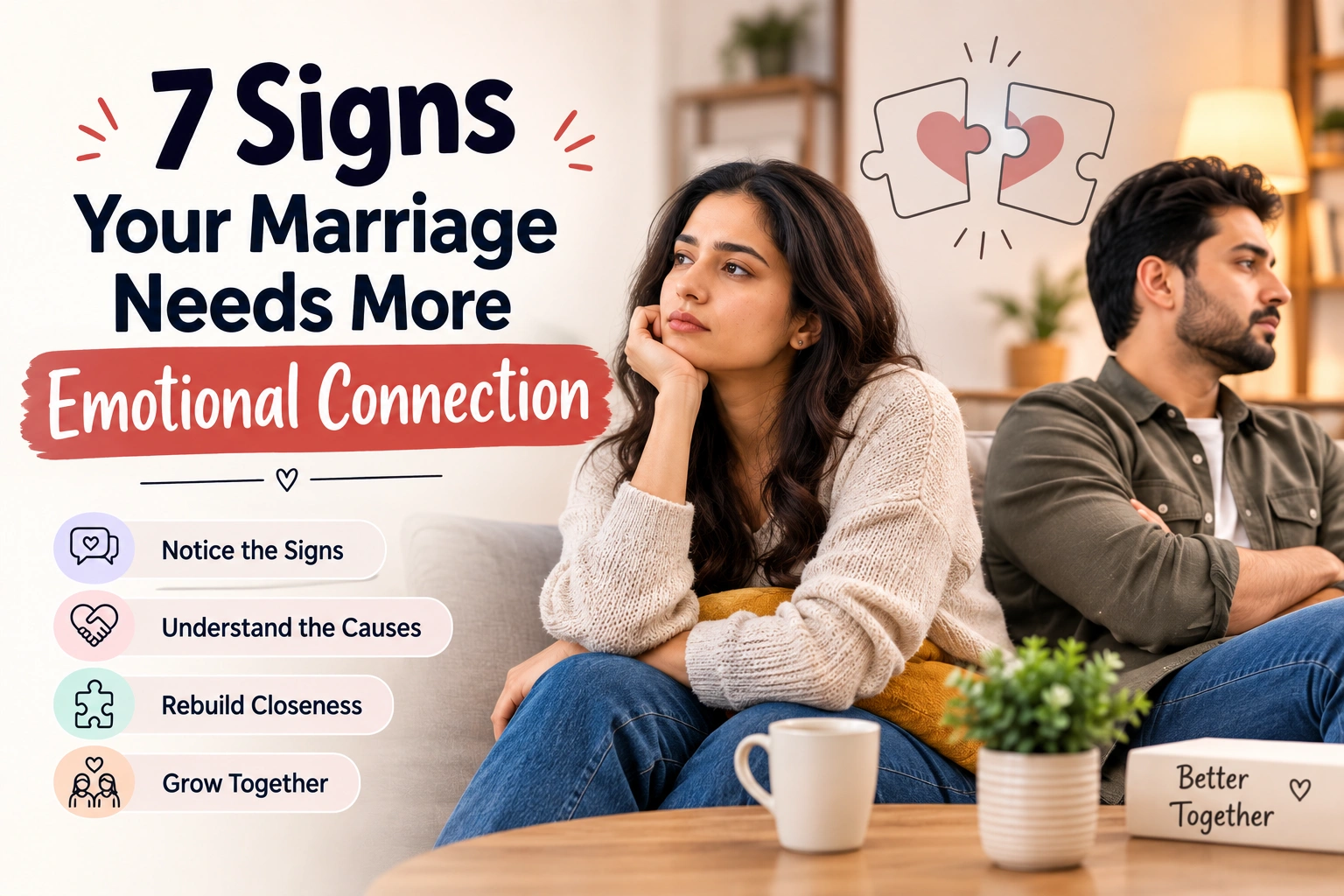

A marriage can look completely normal from the outside while a couple feels deeply disconnected in private.
Thank you for reading this post, don't forget to subscribe!For some couples, sex gradually becomes less frequent. Then months pass, conversations about intimacy become uncomfortable, and eventually physical closeness almost disappears. One partner may feel rejected or unwanted. The other may feel pressured, exhausted, emotionally distant, or simply unsure how to talk about what has changed.
That can be a lonely place to be.
But a sexless marriage does not automatically mean the marriage is over. It also does not necessarily mean that one partner has stopped loving or finding the other attractive. Sexual intimacy can change for many reasons, including stress, relationship conflict, parenting, health concerns, mental health, hormonal changes, sexual difficulties, or differences in desire.
The first step is not to ask, “How do we have sex again?” It is to ask, “What happened to our intimacy, and what is making closeness difficult for us now?”
The goal is not simply to increase the number of times a couple has sex. It is to understand what is happening between two people and create a relationship where both partners can feel safe, heard, respected, and comfortable discussing intimacy.
What Does “Sexless Marriage” Actually Mean?
The term sexless marriage is commonly used to describe a marriage where sexual activity has become very infrequent or has stopped for an extended period.
However, there is no single number that tells you whether a marriage is healthy or unhealthy.
Every couple has a different level of sexual desire. Some couples are comfortable having sex frequently, while others may have periods where sex is rare. A low-sex relationship is not automatically a problem if both partners are genuinely comfortable with it.
The situation becomes more concerning when the lack of sexual intimacy is unwanted, creates sadness or resentment, causes repeated conflict, or reflects a deeper emotional, relational, or health problem.
In other words, the issue is not simply how often a married couple has sex. It is how both people feel about what is happening.
Why Do Married Couples Stop Having Sex?

There is rarely one explanation for a sexless relationship. Often, several things gradually overlap.
Stress and Mental Load
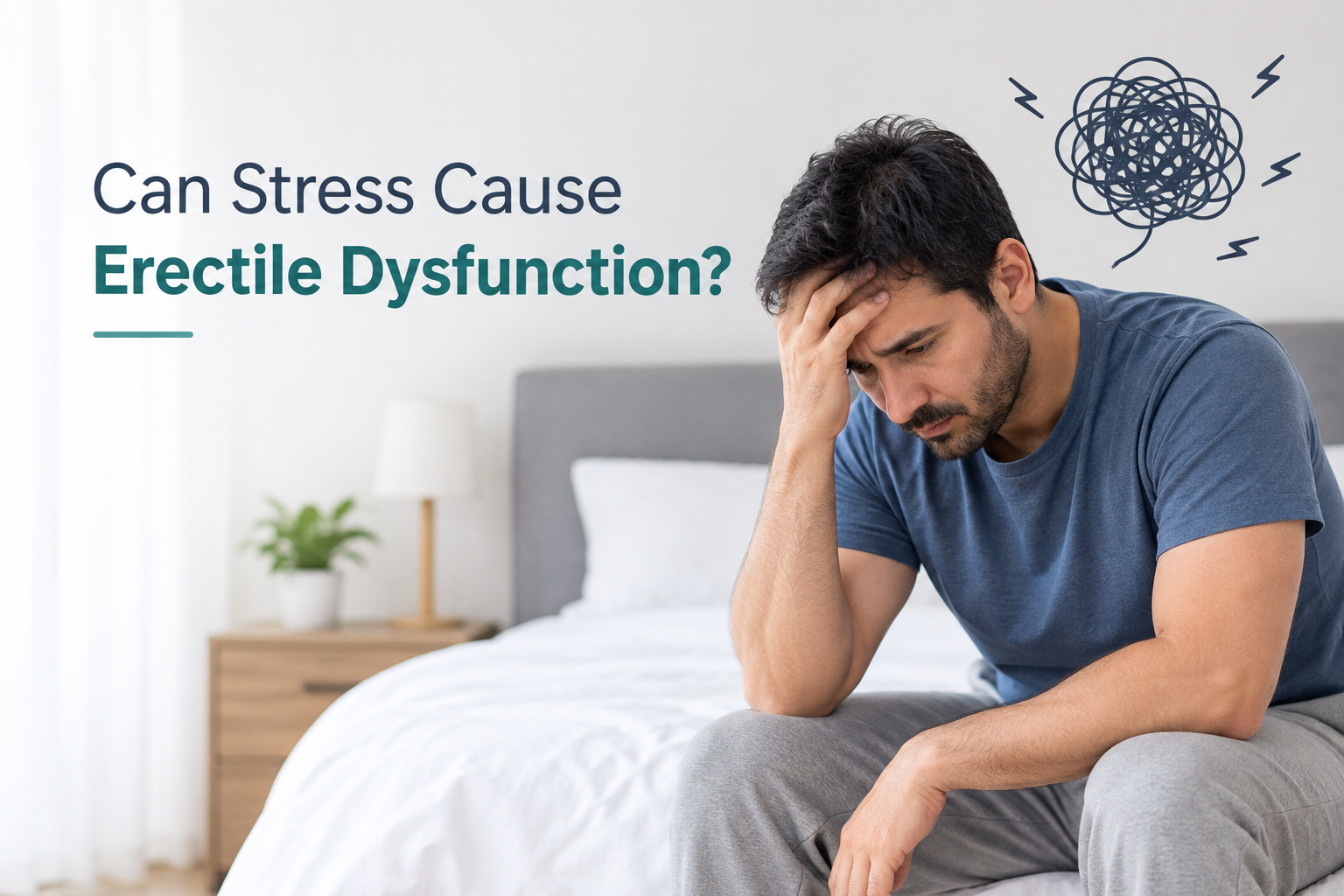
Work pressure, financial concerns, family responsibilities, and constant worrying can leave very little emotional energy for intimacy.
When someone is mentally exhausted, sex can start feeling like another responsibility rather than something they naturally want.
Emotional Distance
Unresolved resentment, repeated arguments, feeling ignored, or a lack of affection can affect sexual desire.
For some people, emotional safety and sexual intimacy are closely connected. When they no longer feel emotionally close to their partner, physical closeness may become difficult too.
Parenting and Lack of Privacy
Pregnancy, postpartum changes, childcare, interrupted sleep, and the demands of raising children can completely change a couple’s routine.
Even when love and attraction are still present, finding privacy, energy, and uninterrupted time together can become surprisingly difficult.
Different Levels of Sexual Desire
One partner may want sex more often than the other.
Over time, repeated rejection can leave one person feeling unwanted, while repeated requests or pressure can make the other person withdraw even further. Without honest communication, this can become a painful cycle.
Physical or Sexual Health Concerns
Sexual intimacy can also be affected by physical health issues, including:
- Erectile difficulties
- Pain during sex
- Vaginal dryness
- Hormonal changes
- Low libido
- Chronic illness
- Medication side effects
- Persistent fatigue
Sometimes a person wants to feel intimate but is avoiding sex because it has become uncomfortable, painful, stressful, or difficult physically.
Anxiety, Depression, or Low Self-Esteem
Mental and emotional wellbeing can influence sexual desire, arousal, confidence, and the ability to enjoy intimacy.
Someone dealing with anxiety or depression may feel emotionally disconnected from themselves as well as their partner. Body-image concerns can also make a person uncomfortable being physically vulnerable.
Loss of Communication
Couples often become very good at discussing bills, children, work schedules, groceries, and responsibilities.
Sex, however, can become the one subject nobody wants to discuss.
When partners stop talking honestly about desire, discomfort, expectations, or emotional needs, assumptions begin filling the gaps. Over time, silence can create more distance than the original problem.
How to Deal With a Sexless Marriage
Once a couple understands that reduced sexual intimacy can have many causes, the next step is figuring out what to do about it.
1. Stop Treating Sex as the Only Problem
The absence of sex may be a symptom rather than the root issue.
Instead of focusing only on how long it has been or how many times you have had sex recently, think about what changed before the intimacy decreased.
Has there been more stress? More conflict? A new baby? A health problem? Emotional withdrawal? A change in attraction? Performance anxiety? A loss of affection? Or simply years of putting the relationship last?
A useful question is:
“What is making intimacy difficult for us right now?”
That question creates room for understanding instead of blame.
2. Have an Honest Conversation About Intimacy
Talking about a sexless marriage can feel incredibly vulnerable. Choose a calm moment rather than starting the conversation immediately after rejection or during an argument.
Speak about your experience without turning it into an accusation. At the same time, give your partner enough space to explain what intimacy feels like from their side.
You could say:
- “I feel like we have become distant, and I miss feeling close to you.”
- “Has anything changed for you emotionally or physically?”
- “What would make intimacy feel easier or more comfortable for you?”
Try to avoid statements such as:
- “You never want me.”
- “You don’t love me anymore.”
- “You owe me intimacy.”
The purpose of the conversation is not to convince your partner to have sex. It is to understand each other.
3. Find Out Whether There Is an Emotional Disconnect
Sometimes the sexual distance has an emotional story underneath it.
A partner may be carrying resentment from years of feeling unappreciated. Another may feel that every conversation turns into criticism. Someone may have stopped initiating affection because previous attempts were repeatedly rejected.
Talk about what has been left unresolved.
Ask whether either person feels lonely, unheard, taken for granted, or emotionally withdrawn.
For some couples, rebuilding emotional safety needs to happen before sexual intimacy begins to feel natural again. That does not mean emotional connection guarantees sex. It simply creates a healthier foundation for closeness.
4. Rebuild Physical Affection Without Pressure

Physical affection does not always have to lead to sex.
Holding hands, hugging, cuddling, sitting close, touching a partner’s shoulder, or simply showing warmth can help couples become comfortable with physical closeness again.
There is one important condition: affection should remain affection.
A hug should not secretly mean, “Now you owe me sex.” If every touch is interpreted as an invitation or expectation, the partner who already feels pressured may begin avoiding touch altogether.
Removing that pressure can make physical closeness feel safer.
5. Address the Sexual Problem Directly
If the underlying issue is sexual, it deserves to be discussed rather than hidden.
This may include:
- Erectile dysfunction
- Premature ejaculation
- Low sexual desire
- Difficulty with arousal
- Pain during sex
- Difficulty reaching orgasm
- Fear of sexual performance
- Anxiety surrounding intimacy
Many people stay silent about these problems because they feel embarrassed or fear disappointing their partner. Unfortunately, hiding the problem often creates even more distance.
A doctor or qualified sexual-health professional can help identify whether there is a physical, hormonal, psychological, medication-related, or relationship-related factor involved.
Sexual difficulties are common, and seeking help does not mean something is wrong with you as a person.
6. Make Time for the Relationship
Over time, couples can become excellent partners in logistics but lose touch as romantic partners.
The relationship becomes:
“Who will pick up the children?”
“Did you pay the bill?”
“What time will you be home?”
“Did you buy groceries?”
Those conversations are necessary, but they cannot be the entire relationship.
Create some regular time that is not centered around work, children, chores, or phones. It could be a walk, dinner together, coffee after the children sleep, or simply sitting and talking.
The activity itself does not have to be impressive. The purpose is to reconnect as two people rather than simply completing another task together.

7. Work on the Pressure and Rejection Cycle
A common pattern in intimacy problems looks like this:
One partner asks for intimacy → the other feels pressured → they withdraw → the first partner feels rejected → they pursue more strongly → the other withdraws further.
Neither person may intend to create this cycle.
The partner asking for intimacy may simply be trying to feel loved and wanted. The partner withdrawing may be trying to escape pressure or protect themselves from an experience that feels uncomfortable.
Once couples recognize the pattern, they can begin addressing the cycle instead of blaming each other.
The goal is to create a relationship where both people can say yes, no, not now, or I am not sure without fear, punishment, or humiliation.
8. Discuss Desire Differences Honestly
Different levels of sexual desire are common in relationships.
The higher-desire partner should not be shamed for wanting more intimacy. At the same time, the lower-desire partner should never be pressured into sexual activity.
Instead, talk honestly about what each person is experiencing.
Is the lower desire connected to stress, health, medication, emotional distance, body image, pain, or something else? Does the higher-desire partner actually miss sex, or are they primarily missing affection, reassurance, closeness, or feeling wanted?
These conversations can help couples understand the need underneath the request.
Any solution should be based on mutual willingness and consent, not obligation.
What Not to Do in a Sexless Marriage
When people feel lonely or rejected, they can react from hurt. Some responses, however, usually make the situation worse.
Avoid:
- Pressuring your partner into sex.
- Using guilt or emotional blackmail.
- Treating rejection as proof that your partner does not love you.
- Comparing your marriage with friends or couples online.
- Assuming infidelity without evidence.
- Using sex as a punishment or reward.
- Ignoring pain or other sexual-health symptoms.
- Secretly taking supplements or medications without appropriate guidance.
- Pretending everything is fine while resentment continues to build.
- Expecting one romantic evening to repair years of emotional disconnection.
A relationship cannot become healthier through fear or pressure. If intimacy is going to return, both partners need to feel that their boundaries and experiences matter.
Can a Sexless Marriage Become Intimate Again?
Yes, some couples are able to rebuild physical intimacy even after a long period without sex.
But there is no single formula or fixed timeline.
The process depends on why intimacy disappeared in the first place. A couple dealing with exhaustion after having a baby may need something very different from a couple dealing with years of resentment or an untreated sexual-health concern.
Reconnection may begin with conversation, emotional safety, affection, medical care, relationship work, or several of these at the same time.
Progress may also be uneven. There can be periods of closeness followed by difficult weeks. What matters is whether both partners are gradually understanding the problem and making meaningful changes.
When Should You Seek Professional Help?
Professional support can be particularly useful when:
- The same intimacy problem keeps repeating.
- You cannot discuss sex without fighting.
- There is significant resentment or emotional withdrawal.
- One or both partners are experiencing sexual difficulties.
- Pain or physical symptoms are involved.
- Sexual desire has changed suddenly or significantly.
- Trust has been damaged.
- You have tried talking but remain stuck.
- The situation is affecting your mental wellbeing or the relationship.
Who Can Help?
Doctor: A doctor can help evaluate physical, hormonal, medication-related, or general health concerns that may be affecting sexual intimacy.
Sexologist or sexual-health professional: This may be appropriate when the main concern involves desire, arousal, erection, ejaculation, orgasm, painful sex, or sexual anxiety.
Relationship counselor or couples therapist: This can help when emotional distance, communication problems, conflict, resentment, or trust are at the center of the relationship difficulty.
Sometimes more than one type of support is useful.
What If My Partner Doesn’t Want to Work on the Marriage?
This can be one of the hardest situations to accept.
You can change how you communicate. You can become more open about your needs. You can stop pressuring your partner, work on your own reactions, and invite them into an honest conversation.
But you cannot single-handedly repair a relationship.
You cannot force another person to want sex, communicate, attend counseling, or remain in the marriage.
If your partner is unwilling to work on the relationship, focus on what you can control. Be clear about your needs and boundaries, and consider individual professional support if the situation is becoming emotionally overwhelming.
You deserve space to understand what this relationship is doing to your wellbeing, too.
When a Sexless Marriage Is Actually a Safety Concern
A lack of sex and sexual coercion are not the same thing.
Nobody owes another person sexual activity because they are married. Marriage does not remove the need for consent.
Pressure, threats, intimidation, forced sexual activity, or coercion should never be treated as an ordinary marital intimacy problem.
If someone is afraid of their partner or experiencing abuse, the priority is safety and appropriate individual support, not trying to restore sexual intimacy.
FAQs About Dealing With a Sexless Marriage
How do I deal with a sexless marriage without blaming my partner?
Focus on understanding the underlying problem rather than assigning fault. Use non-accusatory language, talk about your own feelings, and give your partner space to describe their experience.
Is a sexless marriage always unhealthy?
No. Sexual frequency varies widely between couples. It becomes a concern when the lack of intimacy is unwanted, causes distress, creates resentment, or points to an unresolved relationship or health issue.
Can a marriage survive without sex?
Yes, some couples are comfortable with little or no sex. However, if one or both partners are unhappy with the situation, the lack of sexual intimacy may need to be discussed rather than ignored.
How can I talk to my partner about having no sex?
Choose a calm time and talk about feelings, needs, and possible reasons for the change. Avoid demanding sex or using statements that make your partner feel blamed or cornered.
Can emotional intimacy bring back sexual intimacy?
Emotional connection can support sexual closeness for many couples, especially when emotional distance has contributed to the problem. However, emotional intimacy is not a guaranteed way to make someone want sex.
Can a sexless marriage be fixed?
Many couples can improve their intimacy when they identify the underlying causes and both partners are willing to work on them. The right approach depends on whether the main issue is emotional, relational, physical, psychological, or a combination.
How long does it take to recover intimacy?
There is no universal timeline. It depends on the cause of the problem, the history of the relationship, health factors, emotional safety, and how consistently both partners work toward change.
Should we see a couples counselor for a sexless marriage?
Couples counseling can be helpful when communication, conflict, emotional distance, or trust are major issues. If there is also pain, erectile difficulty, hormonal concerns, or another sexual-health problem, medical or sexual-health evaluation may be needed as well.
Final Thoughts
A sexless marriage is not automatically a failed marriage. What matters is understanding why intimacy has changed, how both partners feel about it, and whether there is a willingness to address what is happening.
Start with curiosity instead of blame. Talk honestly. Rebuild emotional safety. Bring back affection without turning every touch into a sexual expectation. Address physical or sexual-health concerns instead of hiding them, and seek professional help when the two of you cannot move forward alone.
From Dr. Neha’s perspective, intimacy is not just about sex. It is also about feeling wanted, safe, understood, respected, and emotionally close to the person you have chosen to share your life with. Sometimes the path back to sexual intimacy begins long before sex itself with a conversation, a little more understanding, and the willingness to reconnect.