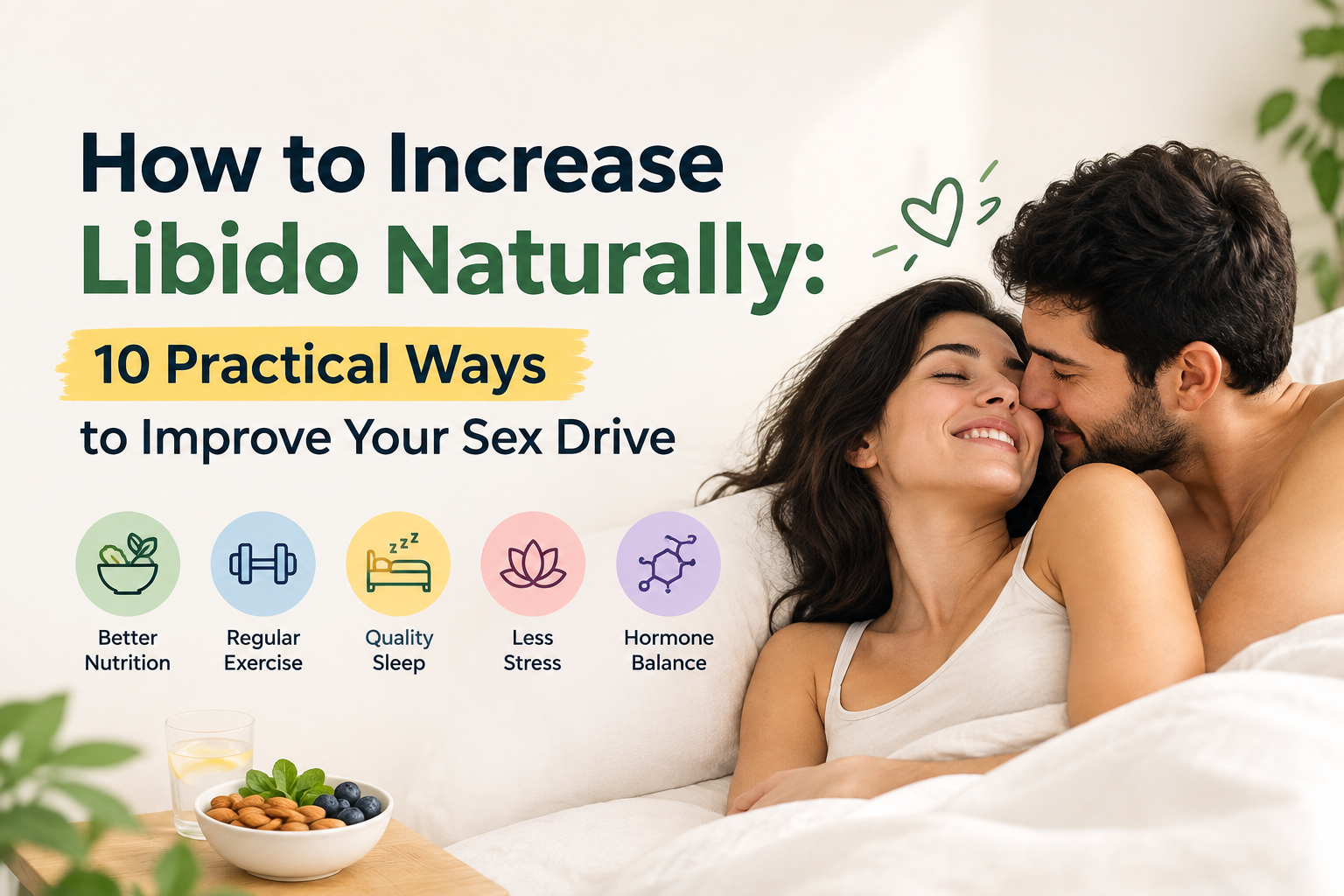
Sexual desire does not stay the same throughout life. Some periods may bring a strong interest in sex, while at other times, stress, tiredness, health changes, relationship concerns, or simply a busy phase of life can make intimacy feel less important.
Thank you for reading this post, don't forget to subscribe!So, if your libido has dipped recently, it does not automatically mean that something is wrong.
The bigger question is whether the change is temporary or whether low sexual desire has become persistent enough to bother you or affect your relationship. Libido is influenced by both the body and the mind, which is why improving it is rarely as simple as eating one particular food or taking a supplement.
When people ask how to increase libido naturally, the most useful place to start is usually with the basics: sleep, stress, physical health, emotional wellbeing, relationships, and any underlying health concerns.
From Dr. Neha’s perspective, sexual desire should not be treated like a switch that needs to be forced on. Understanding what may be getting in the way of desire is often a much better starting point than chasing quick fixes.
What Causes Low Libido?
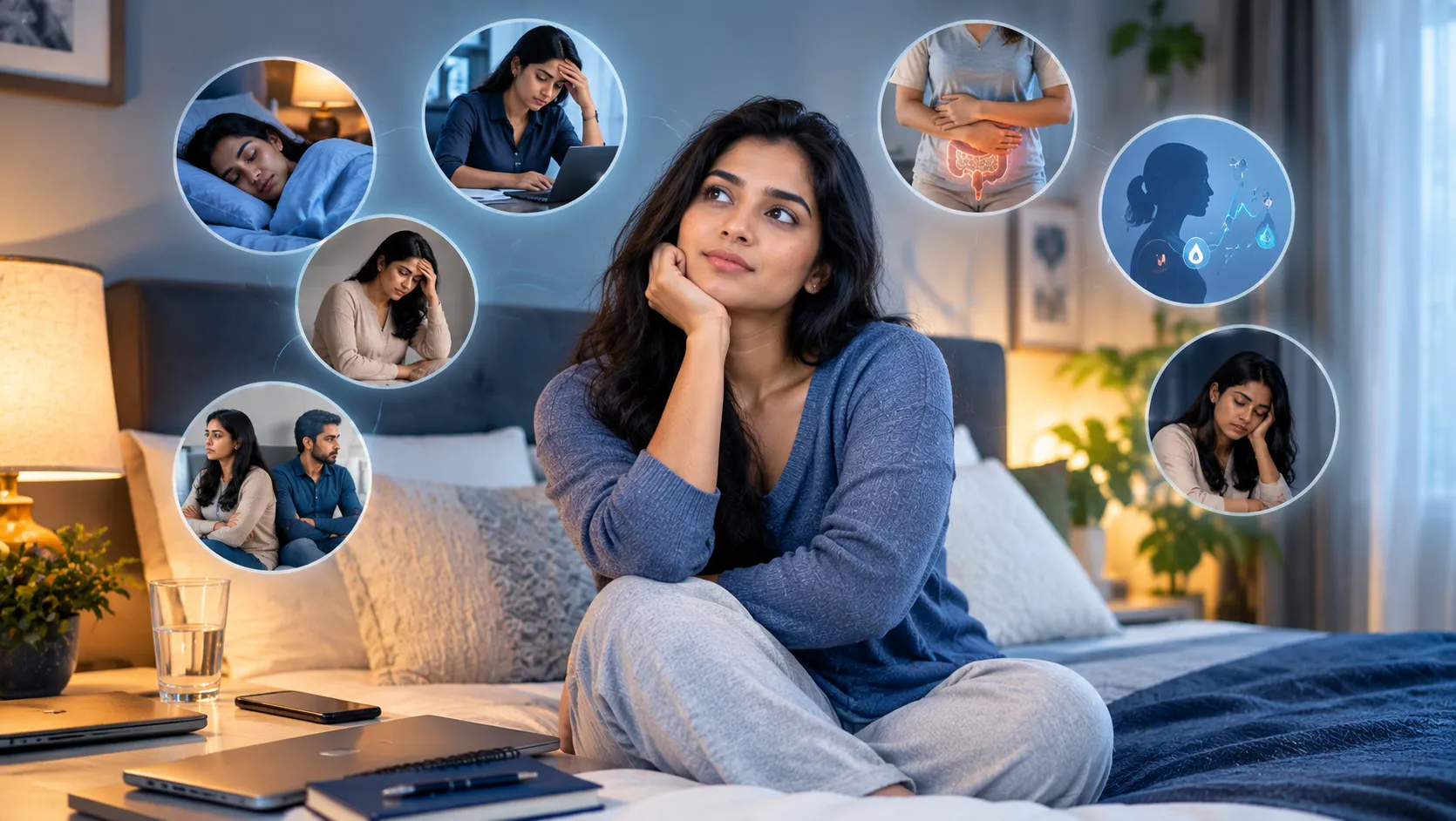
Low libido can have several causes, and more than one may be present at the same time.
Stress and Mental Overload
When your mind is constantly occupied with deadlines, work pressure, family responsibilities, finances, or everyday worries, there may be very little mental space left for sexual desire.
Chronic stress can also affect mood, sleep, energy, and your ability to relax, all of which can influence interest in intimacy.
Poor Sleep and Fatigue
When you are running on very little sleep, sex may simply fall low on your list of priorities. Poor sleep can affect energy, mood, concentration, and overall wellbeing.
Feeling physically exhausted can naturally reduce sexual interest, especially when tiredness continues for weeks or months.
Hormonal and Physical Factors
Libido can change alongside hormonal shifts at different stages of life. Thyroid problems, diabetes, chronic illnesses, and other health conditions may also affect sexual desire or function.
If your libido has changed noticeably and stays low without an obvious reason, it is worth discussing the change with a healthcare professional rather than assuming it is simply part of ageing or stress.
Medications and Substance Use
Certain medications can affect sexual desire or sexual function. Excessive alcohol and some other substances can also interfere with sexual wellbeing.
If you suspect a medication is affecting your libido, do not stop taking it on your own. Speak with the prescribing doctor about possible alternatives or adjustments.
Relationship and Emotional Factors
Sexual desire can be affected by unresolved arguments, emotional distance, lack of affection, body-image concerns, previous negative sexual experiences, or feeling pressured to have sex.
Sometimes what appears to be a “low libido problem” is actually a relationship or emotional issue that needs attention.
How to Increase Libido Naturally

There is no single natural libido booster that works for everyone. Instead, focus on habits that support your physical and emotional wellbeing.
1. Prioritize Better Sleep
Sleep affects much more than how energetic you feel in the morning. Good-quality rest supports mood, stress regulation, energy, and overall sexual wellbeing.
Try keeping a reasonably consistent sleep and wake schedule and give yourself enough time to rest. Reducing late-night screen use, excessive caffeine, and other habits that interfere with sleep may also help.
The goal is not to find a special “libido sleep hack.” It is to give your body and mind the recovery they need.
2. Manage Stress More Effectively
If your brain is constantly in problem-solving mode, it can be difficult to shift into a relaxed, intimate state.
Stress management does not have to mean completely changing your lifestyle. Small, consistent habits can help create more mental space.
You could try:
- Deep breathing
- Regular walks
- Meditation
- Journaling
- Short breaks during a busy day
- A relaxing evening routine
Regular physical activity supports cardiovascular health, energy, mood, and overall fitness. It can also help people feel more comfortable and confident in their bodies.
The purpose is not to force yourself to feel sexual. It is to reduce the mental load that may be getting in the way of desire.
3. Exercise Regularly
Walking, swimming, strength training, yoga, cycling, or another activity you genuinely enjoy can all be useful.
There is no particular exercise that guarantees a higher libido. Consistency matters more than choosing the “perfect” workout.
At the same time, avoid pushing yourself into excessive exercise without enough recovery. Too much physical stress can leave you exhausted rather than energized.
4. Eat a Balanced, Nutrient-Rich Diet
Your sexual wellbeing is connected to your overall health, so your everyday diet matters more than any single so-called aphrodisiac.
Aim for a balanced diet containing:
- Fruits and vegetables
- Whole grains
- Protein-rich foods
- Healthy fats
- Adequate fluids
What About Foods That Claim to Increase Libido?
Chocolate, oysters, spices, herbs, and other foods are often promoted as natural libido boosters. While many can be enjoyable and nutritious, there is limited evidence that one particular food reliably increases sexual desire in everyone.
Rather than looking for a magic ingredient, focus on eating well consistently.
5. Limit Excessive Alcohol and Avoid Smoking
Alcohol can sometimes make people feel more relaxed initially, but excessive drinking can interfere with sexual desire, arousal, and sexual function.
Smoking can also affect circulation and overall sexual health.
This is not about guilt or shame. Reducing habits that affect your long-term health can support sexual wellbeing along with the rest of your body.
6. Make Time for Intimacy
One common misconception is that desire should always appear spontaneously. In real life, busy schedules, parenting, work, stress, and exhaustion can leave very little room for intimacy.
Sometimes couples need to intentionally make that space.
Spend private time together without making sex the expectation. Talk, cuddle, go for a walk, share a meal, or simply be together without phones and other distractions.
Intimacy does not always have to lead to sex. Removing that expectation can actually make closeness feel more comfortable.
7. Reduce Performance Pressure
Constantly thinking, “Why don’t I feel in the mood?” or worrying about whether you will perform well can make intimacy feel like another responsibility.
Instead of asking yourself whether you should want sex, try becoming curious about what helps you feel comfortable, connected, and interested.
Open communication can also reduce pressure between partners. You do not have to silently carry expectations or pretend to feel desire when you do not.
8. Improve Emotional Connection
For many people, feeling emotionally safe and connected plays an important role in sexual desire.
Affection, honest conversations, trust, appreciation, and physical closeness can all contribute to a healthier intimate relationship.
On the other hand, resentment and emotional withdrawal can gradually affect sexual interest.
If relationship problems are contributing to low libido, treating the issue only as a physical problem may miss the real cause.
9. Understand Your Own Sexual Preferences
Knowing what makes you feel comfortable, connected, and interested in intimacy can help you communicate your needs more clearly.
Think about your boundaries, the kind of affection you enjoy, what makes you feel emotionally safe, and what tends to create pressure.
Sexual wellbeing is not about meeting someone else’s expectations. Both partners should feel comfortable communicating their preferences and boundaries.
10. Address Underlying Health Concerns
Sometimes lifestyle changes are helpful but not enough because there is another factor affecting libido.
Persistent low desire may sometimes be associated with:
- Hormonal changes
- Thyroid problems
- Diabetes
- Depression or anxiety
- Chronic illness
- Certain medications
Instead of trying random supplements or internet remedies, consider getting the underlying issue evaluated. Treating the actual cause can be more useful than trying to temporarily mask the symptom.
Can Supplements or “Natural Aphrodisiacs” Increase Libido?
Libido supplements and herbal products are widely marketed as natural solutions for low sex drive. But “natural” does not automatically mean safe, effective, or suitable for everyone.
Evidence for many libido supplements is limited or inconsistent. Some products can also interact with medications or contain ingredients that are not clearly disclosed.
If you are considering a supplement for sexual wellbeing, discuss it with a qualified healthcare professional, particularly if you take regular medication or have an existing health condition.
Does Exercise Increase Libido?
Exercise can support libido indirectly by improving energy, mood, stress levels, cardiovascular health, and body confidence.
However, it should not be viewed as a guaranteed treatment for low sexual desire. A balanced routine with enough recovery is more useful than exhausting yourself in the hope of increasing your sex drive.
Does Libido Naturally Change With Age?
Yes, sexual desire can change throughout adulthood. Hormonal changes, health conditions, medications, stress, relationships, sleep, and life circumstances can all influence libido.
But lower libido should not automatically be dismissed as an unavoidable part of getting older.
If the change is bothering you, affecting intimacy, or accompanied by other symptoms, it is reasonable to discuss it with a healthcare professional.
How Long Does It Take to Increase Libido Naturally?
There is no universal timeline.
Improving sleep, exercising regularly, managing stress, and making time for emotional connection may gradually improve overall wellbeing, which can support sexual desire as well.
But if low libido is related to a medication, hormonal issue, mental health concern, relationship difficulty, or another health condition, lifestyle changes alone may not resolve it.
Think in terms of sustainable habits rather than a quick deadline.
When Is Low Libido a Sign You Should Seek Help?

Consider speaking with a doctor, sexologist, or qualified sexual-health professional if:
- Low desire continues for an extended period.
- The change is sudden or unexplained.
- It causes personal distress.
- It is affecting your relationship or intimacy.
- You also have erection difficulties, painful sex, vaginal dryness, ejaculation concerns, or other sexual symptoms.
- You have symptoms that could suggest a hormonal or other health problem.
- Your libido changed after starting medication.
- Anxiety, depression, trauma, or relationship difficulties are affecting your sexual desire.
You do not have to wait until the problem becomes severe. A professional can help you understand whether the issue is primarily physical, psychological, relationship-related, medication-related, or a combination of factors.
From Dr. Neha’s perspective, seeking help is not about “fixing” yourself. It is about understanding your body, emotions, relationship, and sexual health well enough to make the right changes for you.
Conclusion
If you are wondering how to increase libido naturally, there is no magic food, exercise, or supplement that can switch sexual desire back on overnight. Libido is connected to the bigger picture of your health and life including sleep, stress, physical activity, nutrition, hormones, emotional wellbeing, relationships, and medications.
That is why a more useful approach is to understand why your desire has changed rather than blaming yourself for it. If low libido continues or starts affecting your wellbeing or relationship, getting professional guidance can help you find the underlying cause instead of relying on random online remedies.
As Dr. Neha often emphasizes in sexual wellness, you do not need to force desire. Understanding what is affecting it is often the first step toward improving your sexual wellbeing.
FAQs
1. How can I increase libido naturally?
Start with the basics: improve sleep, manage stress, exercise regularly, eat a balanced diet, address relationship concerns, and look for underlying health or medication-related causes.
2. What foods can increase libido?
There is no single food proven to reliably increase libido for everyone. A balanced, nutrient-rich diet is more useful for supporting overall health and sexual wellbeing.
3. Can exercise increase libido?
Exercise may support libido indirectly by improving energy, mood, cardiovascular health, stress levels, and body confidence. It is not a guaranteed libido treatment.
4. Does sleep affect libido?
Yes. Poor sleep and ongoing fatigue can reduce energy, affect mood, and make sexual interest harder to access.
5. Can stress cause low libido?
Yes. Chronic stress and mental overload can reduce sexual interest and make it harder to relax or feel connected during intimacy.
6. Do libido supplements really work?
Evidence varies considerably between products, and many supplements have limited research behind them. “Natural” also does not automatically mean safe.