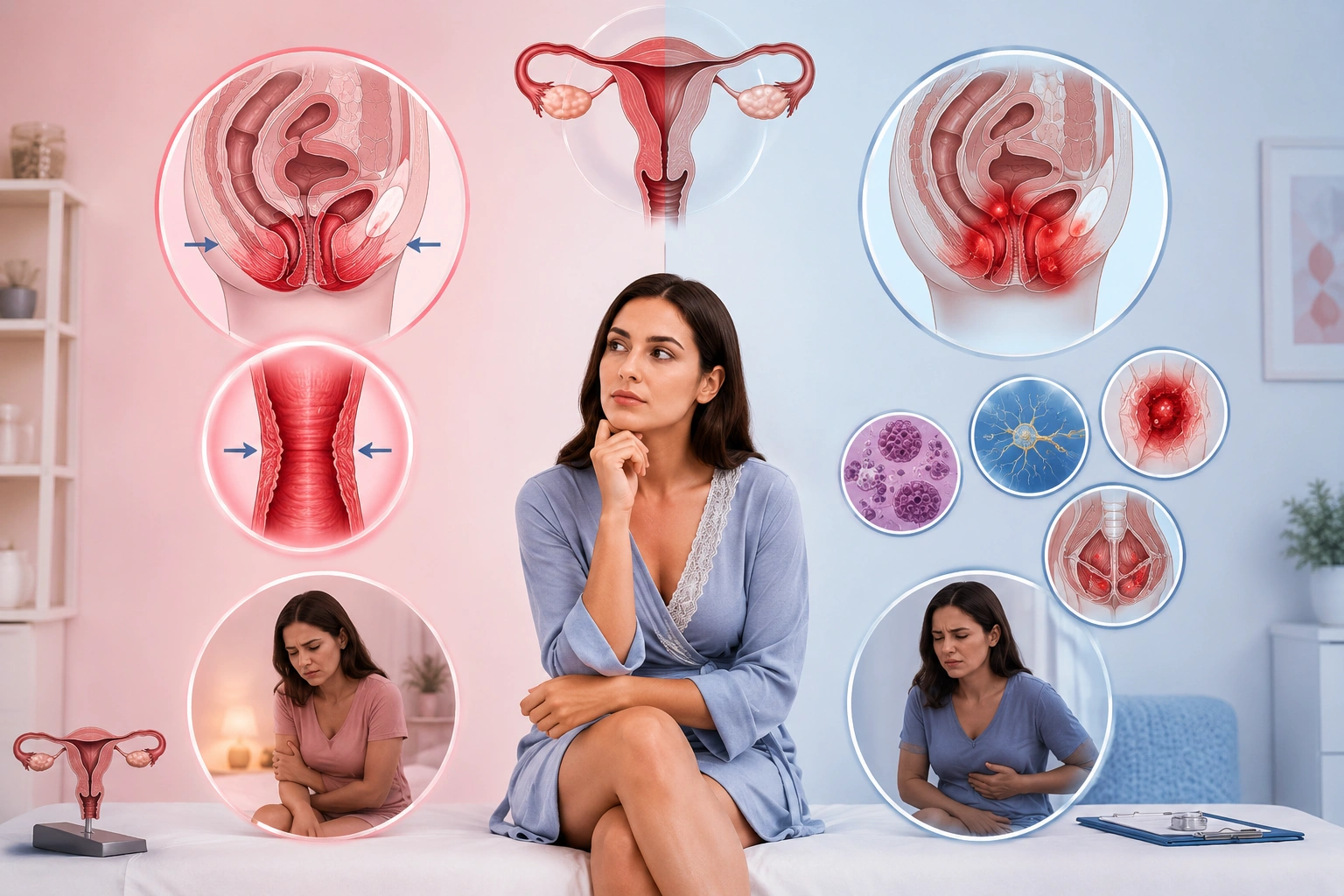
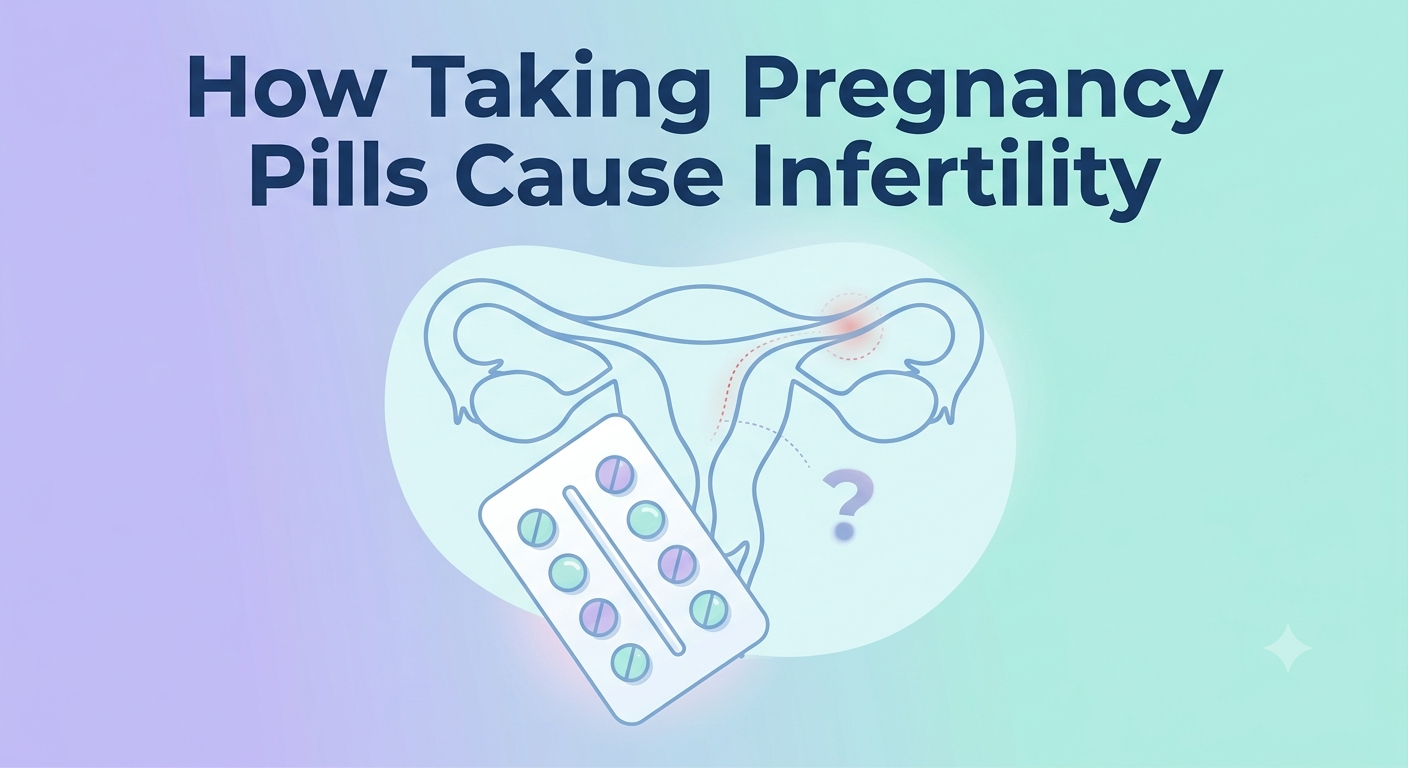
There’s something quietly unsettling about this question. You spend years taking the pill, trusting it to do its job. And then one day, when you’re ready for something different, a doubt creeps in what if pregnancy pills cause infertility?
Thank you for reading this post, don't forget to subscribe!It’s a common fear. One that usually shows up late at night, after reading a few personal stories online that feel a little too real.
But this is one of those topics where emotion and reality often don’t match. Let’s break it down properly.
First, What Are Pregnancy Pills?
When people talk about pregnancy pills, they’re usually referring to hormonal contraceptives, specifically birth control pills.
These come in two main types:
• Combined pills (estrogen + progestin)
• Mini-pills (progestin only)
How They Work
• Suppress ovulation (no egg released)
• Thicken cervical mucus (blocks sperm)
• Thin the uterine lining (reduces implantation chances)
The key point:
They temporarily pause your reproductive cycle.
Not damage it.
Do Pregnancy Pills Actually Cause Infertility?
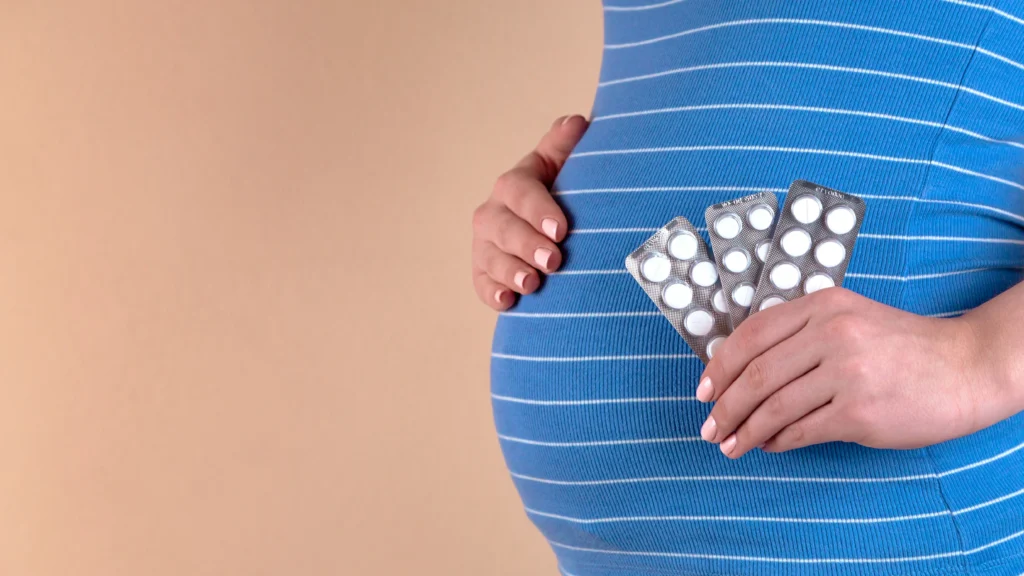
This is where the biggest myth exists.
Despite widespread belief, pregnancy pills do not cause permanent infertility.
What Research Shows
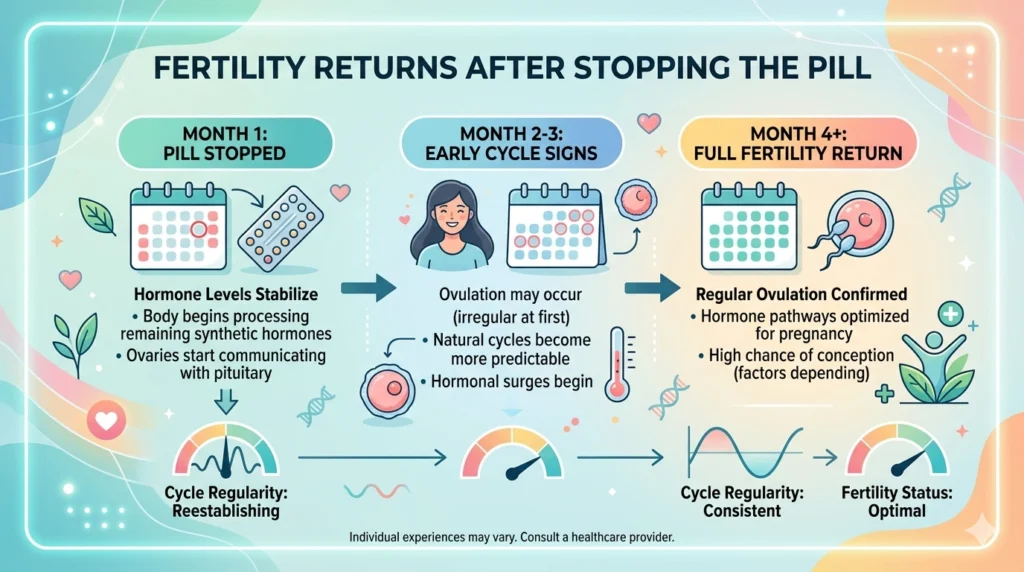
• Ovulation usually returns within 1–3 months after stopping
• Some women take up to 6 months for full cycle recovery
• Long-term fertility remains unaffected in healthy individuals
• This is often misunderstood as a problem, but it’s actually just menstrual cycle recovery.
• Your body is recalibrating—not failing.
Why the Myth Feels So Real
The confusion often comes from personal stories.
Someone uses birth control for years, stops, and struggles to conceive. It feels like cause and effect.
But in many cases, the real reason is something else.
Common Underlying Factors
• PCOS (Polycystic Ovary Syndrome)
• Affects ovulation independently of pill use
Endometriosis
Can impact fertility but is often masked by the pill
Age-related decline
Fertility naturally decreases over time
Thyroid or hormonal imbalances
Can affect cycle regularity and conception.
The pill didn’t create these conditions. It often just hid the symptoms.
What Is Post-Pill Amenorrhe
This is one of the main reasons people worry.
Post-pill amenorrhea means your period doesn’t return immediately after stopping birth control.
What It Actually Means
• Temporary pause in your cycle
• Common after long-term pill use
• Usually resolves within 3–6 months
• This is a normal part of fertility after pill adjustment. It is not infertility.
Do All Hormonal Methods Affect Fertility the Same Way?
Not exactly. Different contraceptives have different timelines for recovery.
Return to Fertility by Method
• Birth control pills → 1–3 months
• Hormonal IUD → Quick return after removal
• Implant → Rapid recovery similar to pills
• Injection (Depo-Provera) → Can take 6–12 months or more
Even in delayed cases, this is about timing not permanent damage to reproductive health.
How Birth Control Side Effects Are Misinterpreted
Some birth control side effects can feel like fertility problems but they’re temporary.
Common Side Effects After Stopping
• Irregular cycles
• Delayed ovulation
• Hormonal fluctuations
• Mood or energy shifts
These are part of your body readjusting. They do not indicate long-term infertility.
When Should You Be Concerned?
While the pill itself doesn’t cause infertility, there are situations where medical advice is important.
Signs to Check
• No period for 6+ months after stopping
• Known irregular cycles before starting birth control
• Trying to conceive for 12 months without success
• Under 35 but facing persistent difficulty
These are not signs of pill damage but signals that something else may need attention.
The Emotional Side of This Question
This isn’t just a medical concern. It’s emotional.
There’s a shift that happens:
For years, the focus is on avoiding pregnancy. Then suddenly, the expectation flips to conceive easily.
That transition creates pressure. And with pressure comes fear. If you’ve worried about this, it’s completely normal.
But it’s important to separate fear-driven stories from evidence-based understanding.
How to Support Fertility After Stopping the Pill
While fertility usually returns naturally, you can support your body during this phase.
Practical Steps
• Maintain a balanced diet
• Manage stress levels
• Track your cycle
• Stay physically active
• Get hormonal health checked if needed
These steps support menstrual cycle recovery and overall reproductive health.
What Happens If You Do Nothing?
In most cases nothing negative. Your body restores its natural rhythm over time.
Typical Recovery Pattern
• Ovulation resumes
• Cycles normalize
• Fertility return
The timeline varies, but the outcome is generally positive.
Conclusion
The idea that pregnancy pills cause infertility is one of the most persistent myths in reproductive health.
But the evidence is clear:
Hormonal contraceptives do not permanently damage fertility. What they do is temporarily pause your cycle and sometimes reveal underlying conditions once stopped.
Fertility returns. Sometimes quickly, sometimes gradually. The key is understanding your body, not fearing it.
FAQs
1. Can pregnancy pills cause permanent infertility?
No. Fertility typically returns within a few months after stopping birth control.
2. How long does it take for fertility to return after the pill?
Usually 1–3 months, though some women may take up to 6 months.
3. What is postll amenorrhea?
It is the temporary absence of periods after stopping birth control, usually resolving within 6 months.
4. Do birth control side effects affect long-term fertility?
No. Side effects are temporary and part of hormonal adjustment.
5. When should I see a doctor after stopping the pill?
If periods don’t return after 6 months or conception doesn’t occur after 12 months of trying.