Emotional distance rarely appears overnight. Most of the time, there isn’t one morning when a couple wakes up and suddenly feels like strangers.
Thank you for reading this post, don't forget to subscribe!It happens more quietly. Conversations become shorter. Busy days turn into busy weeks. A difficult topic gets postponed because neither person has the energy for another argument. Eventually, you may still live together, talk every day, and genuinely care about each other, yet something feels different.
This can be confusing. You might even wonder, How did we become distant when we still love each other?
The answer is often found in the small patterns that repeat over time. Understanding those patterns doesn’t automatically solve the problem, but it can show you where the connection started to weaken and where you can begin rebuilding it.
What Is Emotional Distance in a Relationship?
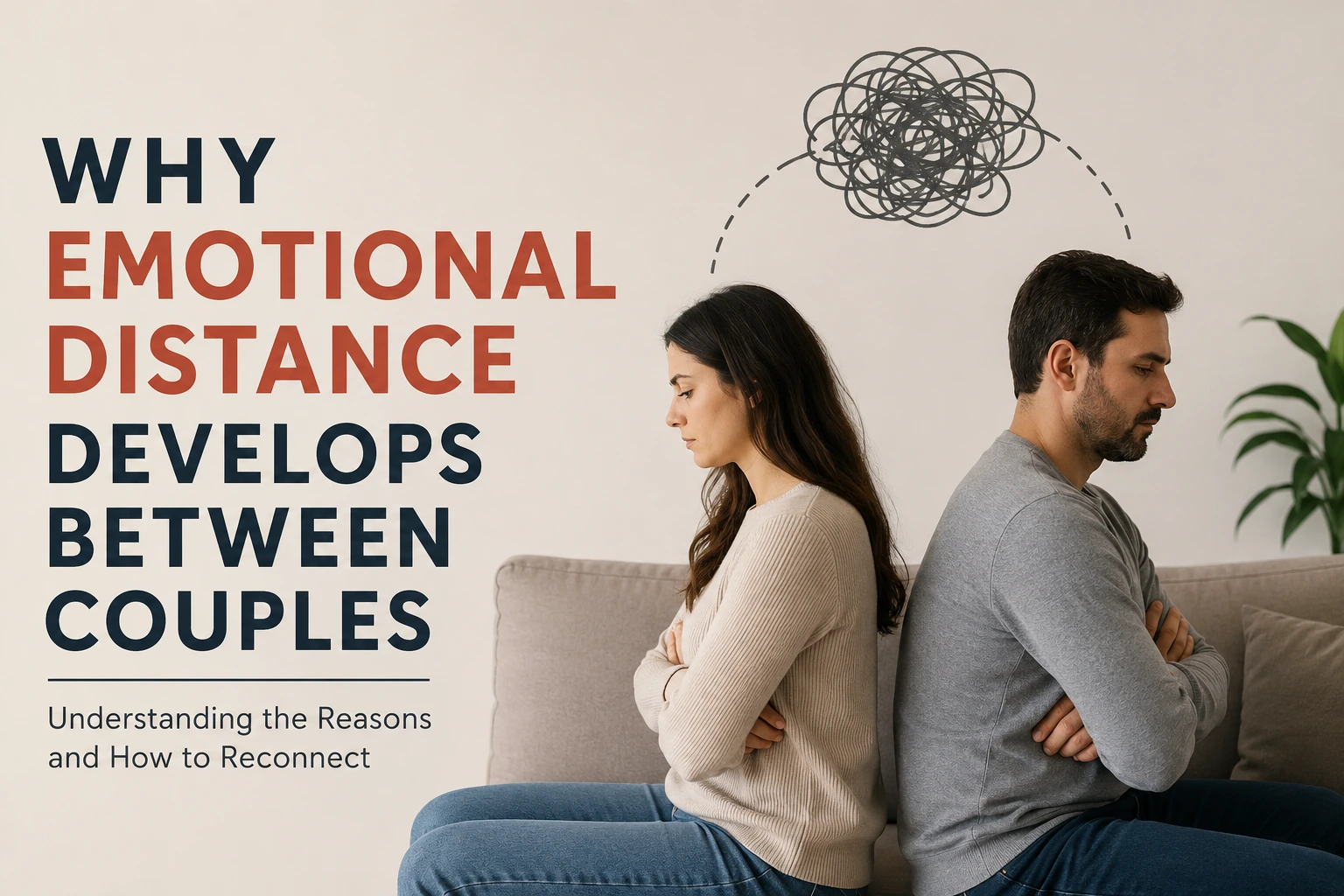
Emotional distance is the feeling that you and your partner aren’t really reaching each other anymore.
You may still discuss practical things, spend time in the same house, and take care of your responsibilities together. But you may not feel comfortable sharing what’s happening inside you. Your worries, excitement, disappointments, fears, and hopes may stay mostly to yourself.
There is an important difference between healthy personal space and emotional disconnection. Every person needs time alone, separate interests, and some privacy. That’s not a problem. Emotional distance becomes concerning when you consistently feel unheard, misunderstood, lonely, or unable to be vulnerable with the person you’re closest to.
And yes, it can happen even when love is still there.
Sometimes the issue isn’t a lack of love. It’s that the relationship has stopped feeling emotionally safe, attentive, or connected.
Why Does Emotional Distance Develop Between Couples?
1. Communication Becomes Mostly About Responsibilities
At the beginning of a relationship, couples often talk simply because they enjoy learning about each other. Later, conversations can become much more practical.
Who’s picking up the children? Did you pay the bill? What time will you be home? What should we make for dinner?
These conversations are necessary, but when they’re almost all you talk about, something can get lost. You may stop discussing your feelings, interests, worries, experiences, or the things you’re looking forward to.
The relationship still has communication, but not much emotional connection.
2. Unresolved Conflicts Start Creating Resentment
Not every disagreement needs a perfect solution. But when important conflicts repeatedly end without being properly addressed, the emotional impact can linger.
One partner may think, There’s no point bringing this up again. The other may feel that nothing ever really changes.
Eventually, avoiding conflict can become more comfortable than being honest. But every conversation you don’t have can create another small layer of distance. Over time, resentment can make it harder to be open, affectionate, or emotionally available.
3. One or Both Partners Feel Unheard
Being listened to isn’t simply about someone hearing the words you’re saying. It’s about feeling that your experience matters to them.
If someone repeatedly feels dismissed, interrupted, criticized, or told they’re overreacting, they may eventually stop sharing altogether. Relationship communication problems can become harder to resolve when this pattern continues.
This can happen gradually. You share less because you expect less understanding. Your partner notices that you’re quieter but doesn’t know why. They may then stop asking questions, and the emotional gap becomes even wider.
Feeling unheard for long enough can weaken the sense of emotional safety that couples need to stay close.
4. Life Becomes Too Busy for the Relationships
Sometimes, emotional distance isn’t caused by a lack of care. There simply isn’t much energy left at the end of the day.
Careers, parenting, household responsibilities, financial pressure, family commitments, and everyday stress can push a relationship lower on the priority list. For some couples, marriage counseling can provide a structured space to address these patterns.
Couples often tell themselves they’ll reconnect when things settle down.
But there’s always another deadline, another school event, another responsibility, or another exhausting week. “Later” keeps getting postponed, and eventually the lack of quality time starts feeling normal.
5. Emotional Needs Are Not Being Expressed
Partners sometimes expect each other to know what they need without actually saying it.
You might want more affection but never ask for it. Your partner may want more appreciation but assume you should already know. One person may need reassurance while the other thinks giving them space is helpful.
When these needs stay unspoken, disappointment can build.
Your partner can’t always know what you’re thinking, even after years together. Saying what you need isn’t being demanding. It gives the other person a genuine opportunity to understand and respond.
6. Affection and Appreciation Slowly Disappear
Small gestures can change the emotional atmosphere of a relationship.
A hug when someone gets home. A quick message during the day. Saying thank you. Complimenting your partner. Asking how something important went.
These things can become less frequent when couples get comfortable or overwhelmed. Neither person necessarily intends to stop showing affection. It just becomes easy to assume, They already know I love them.
But being loved and feeling loved aren’t always the same thing.
When appreciation disappears for long enough, partners can start feeling unnoticed or taken for granted.
7. You Stop Sharing the Little Things
Emotional intimacy isn’t built only through deep conversations about marriage, problems, or the future.
It’s also built through ordinary moments.
You tell your partner about something funny that happened at work. You share a random thought. You complain about a frustrating moment. You tell them about a small win. You send them something that makes you laugh.
These details may seem insignificant, but they keep two people involved in each other’s everyday worlds.
When you stop sharing the little things, you can slowly stop knowing what life feels like for each other.
8. Emotional Vulnerability Starts Feeling Unsafe
Being emotionally close requires a certain amount of vulnerability. You have to be able to say, “That hurt me,” “I’m worried,” “I miss you,” or even “I don’t know what I’m feeling right now.”
But if opening up has previously resulted in criticism, judgment, dismissal, or an argument, you may start protecting yourself.
You become more careful. You say less. You keep difficult feelings inside.
And while that may protect you from an uncomfortable conversation in the short term, it can make genuine closeness much harder in the long run.
9. Physical Intimacy Has Changed
Changes in affection or sexual intimacy can sometimes appear alongside emotional distance.
But it’s rarely as simple as saying one always causes the other. Emotional and physical intimacy can influence each other in both directions.
When couples feel emotionally close, affection may feel easier and more natural. On the other hand, stress, resentment, relationship difficulties, health concerns, or changes in desire can affect physical closeness and may then contribute to feelings of distance.
What matters is noticing the overall pattern rather than treating reduced intimacy as proof that something is automatically wrong.
10. Couples Start Living More Like Roommates
You may still work extremely well as a household.
The bills get paid. The children are cared for. The chores are divided. Appointments are handled. Life continues to function.
But functioning isn’t the same as feeling connected.
When most interactions are about managing responsibilities, couples can slowly lose the experience of simply being together as partners. You may know exactly how your spouse handles the household but know surprisingly little about what they’re currently thinking or feeling.
That’s when a marriage can start feeling more like a shared living arrangement than a relationship.
Signs Emotional Distance May Be Growing
Emotional distance doesn’t always look dramatic. Sometimes it shows up in small changes that become noticeable only when you step back.
You might notice that:
- You feel lonely even when you’re together.
- You no longer naturally share things with each other.
- Conversations feel forced or purely practical.
- You avoid talking about your feelings.
- You prefer handling problems alone.
- Affection and appreciation have become less common.
- Small misunderstandings create more tension than they used to.
- You feel more like roommates than romantic partners.
None of these signs automatically means a relationship is failing. They’re simply reasons to pause and ask what may have changed between you.
Can Emotional Distance Be Reversed?
In many cases, couples can begin rebuilding their connection. It usually doesn’t happen through one huge conversation, though. More often, it happens through repeated small moments that make the relationships feel safe and meaningful again.
Start With Small Conversations
Don’t feel like you need to immediately have a serious conversation about everything that’s wrong.
Start by talking again.
Share something about your day. Ask what your partner has been thinking about. Talk about an old memory, a future plan, something funny, or something that’s been bothering you.
The aim is to become interested in each other’s inner world again.
Make Space for Each Other
Connection needs attention, and attention is difficult when both people are constantly distracted.
Even 20 or 30 minutes without phones, television, work, or other interruptions can create an opportunity to reconnect.
It doesn’t have to be a date night. Sitting together with a cup of tea and actually talking can sometimes be enough to begin changing the pattern.
Listen Without Immediately Defending Yourself
When your partner tells you they’ve been feeling distant, your first instinct may be to explain why they shouldn’t feel that way.
Try listening first.
You can explain your intentions later. First, understand their experience. You don’t have to agree with every detail to acknowledge that their feelings are real.
Feeling heard can make difficult conversations much less threatening.
Talk About What Has Changed
Instead of asking, “What’s wrong with us?” try exploring when things began to feel different.
Was it after having children? During a particularly stressful period at work? After a major argument? Did you gradually stop spending time together?
Looking at the pattern rather than assigning blame can make it easier for both partners to participate honestly.
Bring Back Everyday Affection
Reconnection doesn’t always require big romantic gestures.
A hug. Holding hands. Sitting together. Checking in during the day. Saying thank you. Asking how your partner is feeling.
These things may seem simple, but emotional closeness is often rebuilt through repeated experiences of attention, warmth, and care.
Be Patient With the Process
If emotional distance has developed over months or years, it probably won’t disappear after one good conversation.
Give the process time.
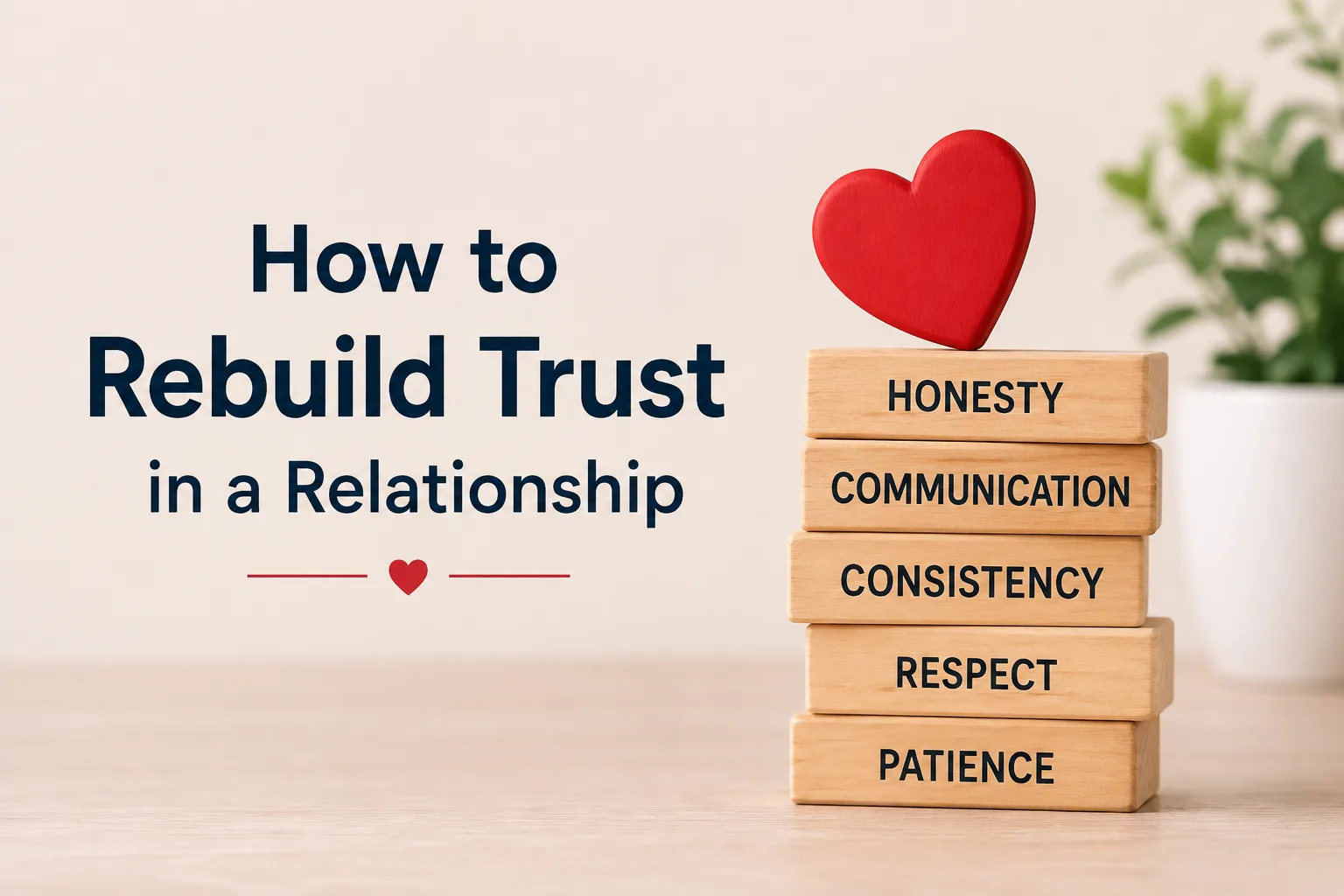
What matters is creating more experiences in which both partners feel heard, respected, safe, and valued. Consistency usually matters more than trying to repair everything at once.
When Is Emotional Distance a Sign You Need Professional Help?
Emotional distance doesn’t automatically mean a relationship is failing. Couples go through difficult seasons, and sometimes reconnecting simply takes more effort than either person expected.
Professional support can be useful when repeated attempts to reconnect don’t seem to work or when the same patterns keep returning.
Persistent resentment, communication breakdowns, emotional withdrawal, repeated conflict, and major intimacy concerns are all reasonable reasons to consider getting help. You don’t have to wait until a relationship reaches a crisis point.
Couples counseling can give partners a neutral space to understand what’s happening beneath the surface and work on patterns that are difficult to change alone. A Relationships and intimacy professional such as Dr. Neha Mehta can help couples explore emotional disconnection, communication difficulties, and Relationships concerns in a structured and supportive setting.
Getting professional guidance isn’t an admission that the relationship has failed. Sometimes it’s simply a way of understanding each other better when you’ve stopped knowing how to reach each other on your own.
FAQs
1. Why do couples become emotionally distant?
Emotional distance can develop because of unresolved conflict, stress, busy schedules, poor communication, reduced affection, changing responsibilities, or simply not making enough time for each other. Often, several small patterns build up rather than one event causing the distance.
2. Can you love someone and still feel emotionally disconnected?
Yes. Love can remain even when emotional closeness has weakened. A couple may still care deeply about each other while feeling unheard, lonely, or unable to share their inner thoughts.
3. What are the signs of emotional distance in a relationship?
Common signs include practical-only conversations, reduced affection, avoiding vulnerable discussions, feeling lonely together, and no longer sharing everyday experiences. You may also notice that you turn to other people rather than your partner for emotional support.
4. Can emotional distance be repaired?
In many relationships, emotional distance can improve when both partners are willing to communicate honestly and make consistent efforts to reconnect. The process usually takes time and works better when couples focus on small, repeated changes rather than expecting an instant solution.
5. How can couples reconnect emotionally?
Start with simple conversations, distraction-free time, active listening, appreciation, affection, and honest discussions about what has changed. The goal is to gradually create more moments where both partners feel seen, heard, and valued.
6. Does emotional distance affect physical intimacy?
It can. Emotional and physical intimacy often influence each other, although reduced physical intimacy can have many causes. Stress, Relationships conflict, health concerns, and changes in desire can all play a role.
7. How long does it take to rebuild emotional connection?
There is no fixed timeline. Some couples notice changes quickly, while others need more time because the emotional distance has developed over a longer period. Consistency, honesty, patience, and effort from both partners are generally more important than a specific number of weeks or months.
8. When should couples seek professional help?
Consider professional support if emotional distance continues despite genuine attempts to reconnect, or if communication repeatedly breaks down. Counseling can be especially helpful when resentment, emotional withdrawal, recurring conflict, or intimacy concerns have become difficult to manage alone.