Erectile dysfunction (ED) means having difficulty getting or keeping an erection firm enough for satisfying sexual activity. It is common, and it can happen for many different reasons. It also does not say anything about your masculinity or how attracted you are to your partner.
Thank you for reading this post, don't forget to subscribe!An erection depends on several systems working together. Healthy blood vessels and circulation matter, but so do nerve function, hormones, pelvic floor muscles, emotional wellbeing and overall health. That is why looking at sexual health often means looking beyond the bedroom.
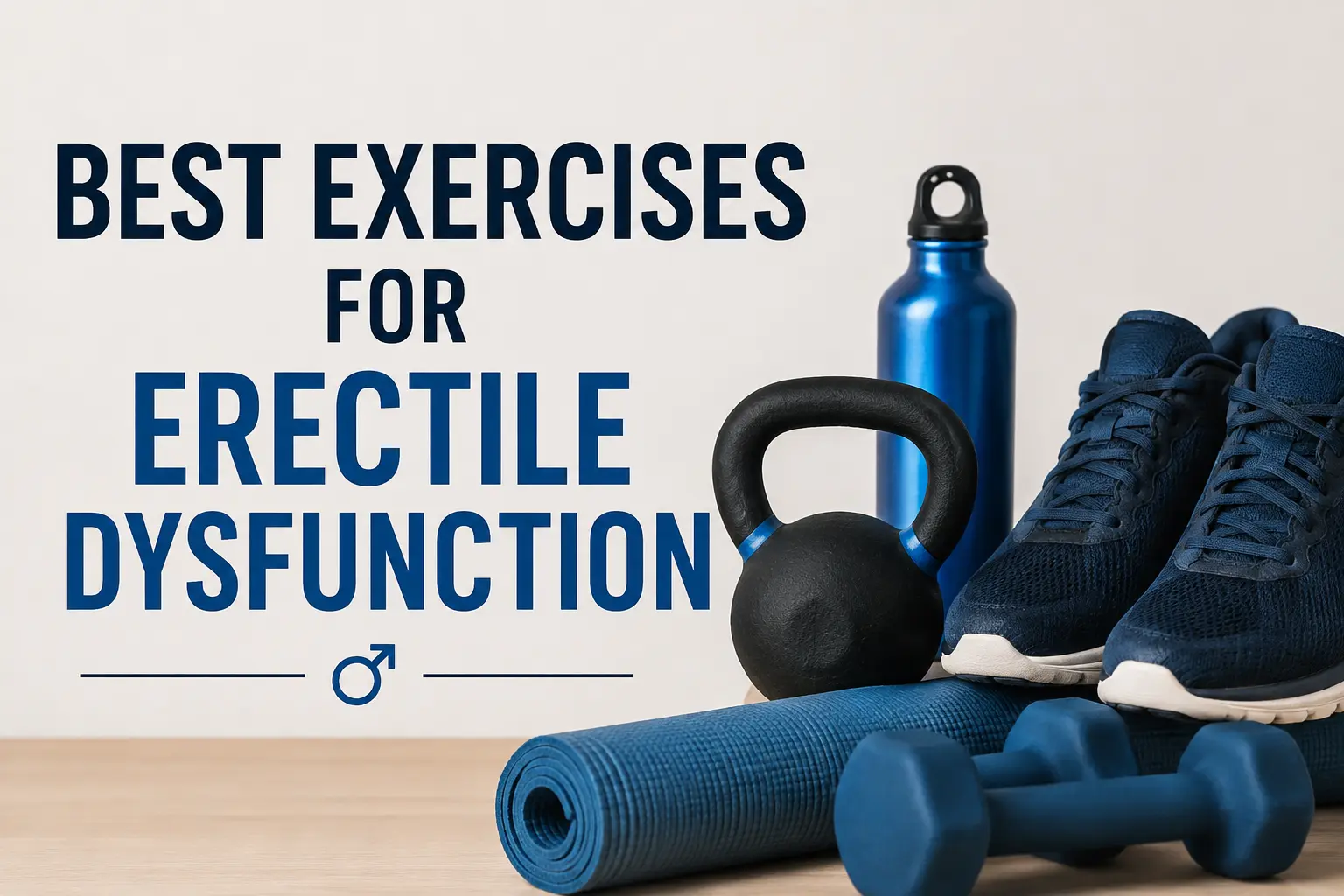
Regular physical activity can be an important part of that picture. The best exercises for erectile dysfunction are not necessarily complicated or intense. In many cases, a combination of cardiovascular exercise, strength training, pelvic floor exercises and healthy lifestyle habits can support the factors involved in normal erectile function.
That does not mean exercise can cure ED on its own. If erection problems keep happening, especially if they are new or getting worse, it is worth finding out why rather than relying on exercise alone.
Can Exercise Help With Erectile Dysfunction?
Yes, regular exercise may support erectile function, particularly when cardiovascular health, excess weight, metabolic problems or stress are contributing to ED.
An erection requires good blood flow. Physical activity helps support cardiovascular fitness and healthy blood vessels, while also making it easier to maintain a healthy weight and manage blood sugar, blood pressure and other metabolic risk factors.
Exercise can also affect sexual health in less obvious ways. Regular movement may improve mood, reduce stress and help you feel more confident in your body. For someone whose ED is partly linked to anxiety or low confidence, those changes can matter too.
Research has found that regular aerobic exercise can improve erectile function in men with ED, with benefits seen across different forms of aerobic activity. The strongest evidence tends to support exercise as part of a broader approach to cardiovascular and sexual health rather than as a standalone cure.
Still, ED has many possible causes. Diabetes, cardiovascular disease, hormonal problems, medication side effects, nerve problems and psychological factors behind erectile dysfunction can all play a role. Exercise may help one part of the problem without addressing another.
7 Best Exercises for Erectile Dysfunction
1. Brisk Walking
Walking is probably the simplest place to start, especially if you have been inactive for a while.
A brisk walk gets your heart rate up without putting excessive stress on your joints. Done regularly, it can improve cardiovascular fitness, support healthy circulation and contribute to weight management.
You do not need to begin with long walks. Try 20–30 minutes at a comfortable but purposeful pace and gradually build toward more activity as your fitness improves.
The important part is doing it regularly. A realistic walking routine that you actually maintain is more useful than an intense workout you abandon after a week.
2. Jogging or Running
Jogging and running provide a more vigorous form of cardiovascular exercise. They can improve cardiovascular fitness, help manage body weight and support overall metabolic health, all of which can contribute to better erectile health.
If you are new to running, start slowly. You might alternate between walking and light jogging before progressing to longer periods of running.
There is no need to push yourself to exhaustion. Suddenly jumping into high-intensity workouts can increase the risk of injury and make exercise harder to maintain.
For erectile health, consistency matters more than proving how hard you can train.
3. Cycling
Cycling is another effective cardiovascular workout and can be an enjoyable way to stay active.
However, cycling deserves a little more attention when talking about erectile health because prolonged pressure around the perineum may affect nerves and blood vessels in that area. Research has raised concerns particularly with prolonged or high-volume cycling, although cycling itself should not automatically be considered harmful to sexual function.
A few practical changes can make cycling more comfortable:
- Make sure your bicycle is properly fitted.
- Choose a comfortable, appropriate saddle.
- Avoid spending very long periods continuously on the bike.
- Take regular standing or rest breaks.
- Pay attention to numbness or discomfort in the genital area.
Moderate, sensible cycling is different from excessive cycling. If you notice persistent numbness or discomfort, stop and reassess your setup.
4. Strength Training
Cardio gets most of the attention when people talk about exercise and ED, but strength training has an important place too.
Resistance exercises such as squats, lunges, rows, presses and other major-muscle movements can help build strength and support healthy body composition. Regular strength training can also complement efforts to manage weight and metabolic health.
You do not need to lift extremely heavy weights. If you are a beginner, bodyweight exercises or manageable resistance are perfectly reasonable starting points.
Focus on good technique and controlled movements. As you become stronger, gradually increase the resistance rather than trying to do everything at once.
5. Pelvic Floor Exercises (Kegels)
The pelvic floor is a group of muscles at the bottom of the pelvis. In men, these muscles are involved in urinary control and sexual function, including aspects of erection and ejaculation.
This is where Kegel exercises for men can be useful, particularly when you want to improve pelvic muscle awareness and control.
To identify the muscles, briefly notice which muscles you would use to stop urine flow. Once you know where they are, practice the exercise when you are not urinating.
Gently contract the pelvic floor, hold for a few seconds and then release completely. Start with around 10 controlled repetitions and gradually build up as comfortable.
The release is just as important as the contraction.
A common mistake is to keep the pelvic floor clenched throughout the day or perform hundreds of repetitions because it seems like more exercise should mean better results. It does not. Good pelvic floor control involves both contraction and relaxation.
If you develop pelvic pain, tightness or discomfort, stop increasing the exercises and consider professional guidance.
6. Swimming
Swimming gives you a full-body cardiovascular workout while putting relatively little impact on your joints.
That makes it a useful option for people who find running uncomfortable or simply prefer exercising in the water. Regular swimming can support cardiovascular fitness, endurance and overall physical health.
As with walking or running, the benefit comes from making it part of a routine rather than doing it occasionally.
Even a couple of swimming sessions a week can be a practical addition to an otherwise active lifestyle, depending on your fitness level and schedule.
7. Yoga and Stretching
Yoga may not seem like an obvious choice for erectile health, but sexual function is not purely physical.
Stress, anxiety and performance pressure can make it harder to become or stay aroused. Yoga combines movement with breathing, relaxation and body awareness, which may help people who carry a lot of physical or mental tension.
Stretching can also improve flexibility and encourage you to pay more attention to how your body feels.
Yoga should not be presented as a replacement for medical treatment when ED has an underlying physical cause. Think of it as another tool that may support overall wellbeing, particularly when stress or anxiety is part of the picture.
How Often Should You Exercise for Better Erectile Health?
You do not need to transform your lifestyle overnight.
If you have been inactive, start with manageable amounts of activity and gradually increase them. A useful long-term goal for many adults is at least 150 minutes of moderate-intensity aerobic activity each week, along with muscle-strengthening activities on two or more days, in line with general physical activity guidance.
A balanced routine could include:
- Brisk walking or another form of cardio several days a week
- Strength training around two days a week
- Pelvic floor exercises if appropriate
- Gentle stretching or yoga
- Regular movement throughout the day
Give your body enough time to recover. More exercise is not automatically better, particularly if you are exhausted, constantly sore or training through pain.
And do not expect your erections to change after a few workouts. Improvements in cardiovascular fitness, weight, metabolic health and confidence take time.
Pelvic Floor Exercises vs. Cardio: Which Is Better for ED?
This is not really an either-or decision.
Cardiovascular exercise works on the bigger picture. It supports heart health, circulation, fitness, weight management and metabolic health.
Pelvic floor training is more targeted. It focuses on the muscles involved in pelvic support, urinary control and aspects of sexual function.
Neither is automatically the “best” exercise for every man with ED.
If your ED is strongly connected to cardiovascular risk factors, aerobic exercise may be particularly important. If pelvic floor muscle weakness or poor pelvic control is contributing to your symptoms, targeted pelvic floor training may have a role.
For many people, combining different forms of exercise makes more sense than relying entirely on Kegels or cardio.
Lifestyle Habits That Can Support Exercise for ED
Exercise works best when it is part of a broader approach to health.
Alongside regular physical activity, consider:
- Maintaining a healthy weight
- Eating a balanced, nutrient-rich diet
- Getting consistent, adequate sleep
- Limiting excessive alcohol consumption
- Avoiding tobacco and smoking
- Finding practical ways to manage stress
- Staying physically active throughout the day rather than sitting for long periods
- Managing diabetes, high blood pressure and high cholesterol with appropriate medical care
These habits are not separate from sexual health. The same blood vessels, nerves, hormones and metabolic systems that support your general health also influence erectile function.
Exercises and Mistakes to Avoid
Exercise is generally beneficial, but there are a few traps worth avoiding.
Starting too intensely: Going from little activity to exhausting workouts overnight can lead to injury and burnout.
Ignoring warning signs: Stop exercising and seek appropriate medical attention if you experience symptoms such as chest pain, severe breathlessness, dizziness or significant pain.
Overdoing cycling: Long periods of cycling without appropriate positioning or breaks may increase pressure around the perineum.
Assuming more is always better: Your body needs recovery. Excessive training is not a shortcut to better erections.
Doing Kegels incorrectly: If your abdomen, thighs or buttocks are doing most of the work, your technique may need adjustment.
Keeping your pelvic floor constantly tight: Strengthening should be balanced with complete relaxation.
Treating exercise as a guaranteed ED treatment: Exercise can support erectile health, but it cannot address every possible cause of ED.
When Should You See a Doctor or Sexologist for Erectile Dysfunction?
Occasional difficulty getting an erection can happen to anyone. But repeated or persistent ED deserves attention.
Consider speaking with a doctor or qualified sexologist if:
- ED keeps happening or continues over time
- You notice a sudden or unexplained change in erectile function
- You have pain or other concerning symptoms
- You have diabetes, high blood pressure or high cholesterol
- You have other cardiovascular risk factors
- You suspect a medication may be affecting your sexual function
- Performance anxiety or relationship problems are involved
- Exercise and lifestyle changes have not made enough difference
There is another reason not to ignore persistent ED: in some men, erectile difficulties can be an early sign of cardiovascular or metabolic problems. The penile blood vessels are relatively small, so changes in vascular health may become noticeable there before other symptoms appear.
That does not mean every case of ED signals heart disease. It simply means persistent ED is worth discussing with a healthcare professional rather than treating it as something you have to live with.
Conclusion
The best exercises for erectile dysfunction are not necessarily the most difficult ones. What matters more is creating a routine that supports your heart, circulation, metabolic health, muscle strength and mental wellbeing.
For many men, that means combining cardio such as walking, jogging or swimming with strength training and, where appropriate, pelvic floor exercises. Yoga, stretching and regular movement can add another layer of support, especially when stress or physical tension is part of the problem.
Think of exercise as one piece of the erectile health puzzle, not a guaranteed cure.
If erection problems keep returning, suddenly change, or continue despite healthy lifestyle changes, it is worth looking for the underlying cause. Getting professional guidance early can help you avoid months of frustration and ensure that a potentially treatable health issue is not being overlooked.
FAQs
1. What is the best exercise for erectile dysfunction?
There is no single exercise that works for everyone. Regular aerobic activity such as brisk walking, combined with strength training and appropriate pelvic floor exercises, can provide broader benefits for erectile health.
2. Can walking improve erectile dysfunction?
Regular brisk walking may help by improving cardiovascular fitness, supporting healthy circulation and helping with weight and metabolic health. It is also one of the easiest exercises to maintain consistently.
3. Do Kegel exercises help men with ED?
Pelvic floor exercises may help some men improve aspects of erectile function and pelvic muscle control. They are more likely to be useful as part of a broader approach rather than as a standalone treatment for every case.
4. How long does exercise take to improve erectile function?
There is no guaranteed timeline. Some studies have reported improvements after several weeks or months of regular exercise. Individual results depend on fitness, underlying health, the cause of ED and how consistently you exercise.
5. Can exercise increase blood flow to the penis?
Regular aerobic exercise supports cardiovascular health and blood vessel function, which can contribute to healthier blood flow throughout the body, including the tissues involved in erections. However, exercise should not be viewed as a way to instantly increase penile blood flow.
6. Is cycling good or bad for erectile dysfunction?
Cycling can be an excellent cardiovascular exercise, but prolonged pressure on the perineum may cause numbness or discomfort and has raised concerns about sexual function in some high-volume cyclists. Proper bike fit, a suitable saddle and regular breaks can help reduce pressure.
7. Can exercise cure erectile dysfunction permanently?
Exercise can improve some of the health factors associated with ED, but it cannot guarantee a permanent cure. If ED is caused by a medication, hormonal problem, nerve disorder, vascular disease or psychological factor, that underlying issue may need specific treatment.