
Premature ejaculation (PE) is one of the most common sexual concerns among men, yet it’s also one of the least talked about. Because many people feel embarrassed discussing it, misinformation often spreads much faster than facts. Friends, social media, movies, and even online forums can create unrealistic expectations about sexual performance, leaving many men feeling anxious or inadequate.
Thank you for reading this post, don't forget to subscribe!The reality is that premature ejaculation is far more common than most people realize. It can affect men of different ages and may happen occasionally or more frequently. Experiencing it doesn’t mean something is seriously wrong, nor does it define a person’s masculinity or ability to have a satisfying relationship.
Unfortunately, many myths surrounding premature ejaculation prevent people from seeking accurate information or professional support. Some believe it can’t be treated, while others assume it’s always caused by a physical problem or that they simply have to “live with it.” These misconceptions often increase stress, which can make the problem even more challenging.
Why Are There So Many Myths About Premature Ejaculation?
Premature ejaculation is surrounded by myths because it’s still considered a sensitive topic in many cultures. Since people often avoid discussing sexual health openly, many rely on hearsay, social media, or unrealistic portrayals in movies and adult content instead of accurate medical information.
Another reason is that sexual performance is often linked with ideas about confidence and masculinity. This can make men feel pressured to meet unrealistic expectations, causing them to believe that any difficulty is a personal failure rather than a common health concern.
Every person’s sexual response is also different. What is normal for one individual may not be the same for someone else. Because of these natural differences, it’s easy for misconceptions to spread and for people to compare themselves unfairly with unrealistic standards.
Learning the facts helps reduce shame, encourages healthier conversations, and makes it easier to seek the right support when needed.
Common Myths About Premature Ejaculation
Myth 1: Premature Ejaculation Means You’re Not Masculine
Premature ejaculation has nothing to do with masculinity or self-worth. It’s a common sexual health concern that can affect any man.
Myth 2: It Only Happens to Young Men
Premature ejaculation can happen at any age. Younger and older men may experience it for different physical or emotional reasons.
Myth 3: Premature Ejaculation Is Always a Physical Problem
It’s not always caused by a physical condition. Stress, anxiety, and Relationships concerns are often important contributing factors.
Myth 4: There’s Nothing You Can Do About It
Premature ejaculation is manageable in many cases. Lifestyle changes, counseling, behavioral techniques, and medical treatment can all help.
Getting the right approach for premature ejaculation can also make it easier to understand which options may be suitable for you.
Myth 5: Lasting Longer Always Means Better Sex
A satisfying sexual experience isn’t only about duration. Emotional connection, communication, and mutual comfort matter just as much.
Understanding what actually contributes to better sexual performance can help replace unrealistic expectations with healthier ones.
Myth 6: Masturbation Always Causes Premature Ejaculation
Masturbation itself doesn’t cause premature ejaculation. It’s usually influenced by a combination of physical, emotional, and behavioral factors.
Myth 7: Premature Ejaculation Will Go Away on Its Own
Occasional episodes may improve naturally, but persistent symptoms usually need attention. Early support often leads to better outcomes.
Myth 8: Alcohol Helps You Last Longer
Alcohol may temporarily reduce sensitivity, but it can also affect erections and overall sexual performance. It’s not a reliable solution.
Myth 9: You Should Be Embarrassed to Talk About It
There’s no reason to feel embarrassed about seeking help. Open conversations with a healthcare professional can lead to effective treatment.
What Actually Causes Premature Ejaculation?
1. Performance Anxiety
Worrying about sexual performance can make it harder to relax. This anxiety may lead to premature ejaculation.
For some men, fear and pressure around sexual performance can become a cycle that affects confidence and sexual control.
2. Stress
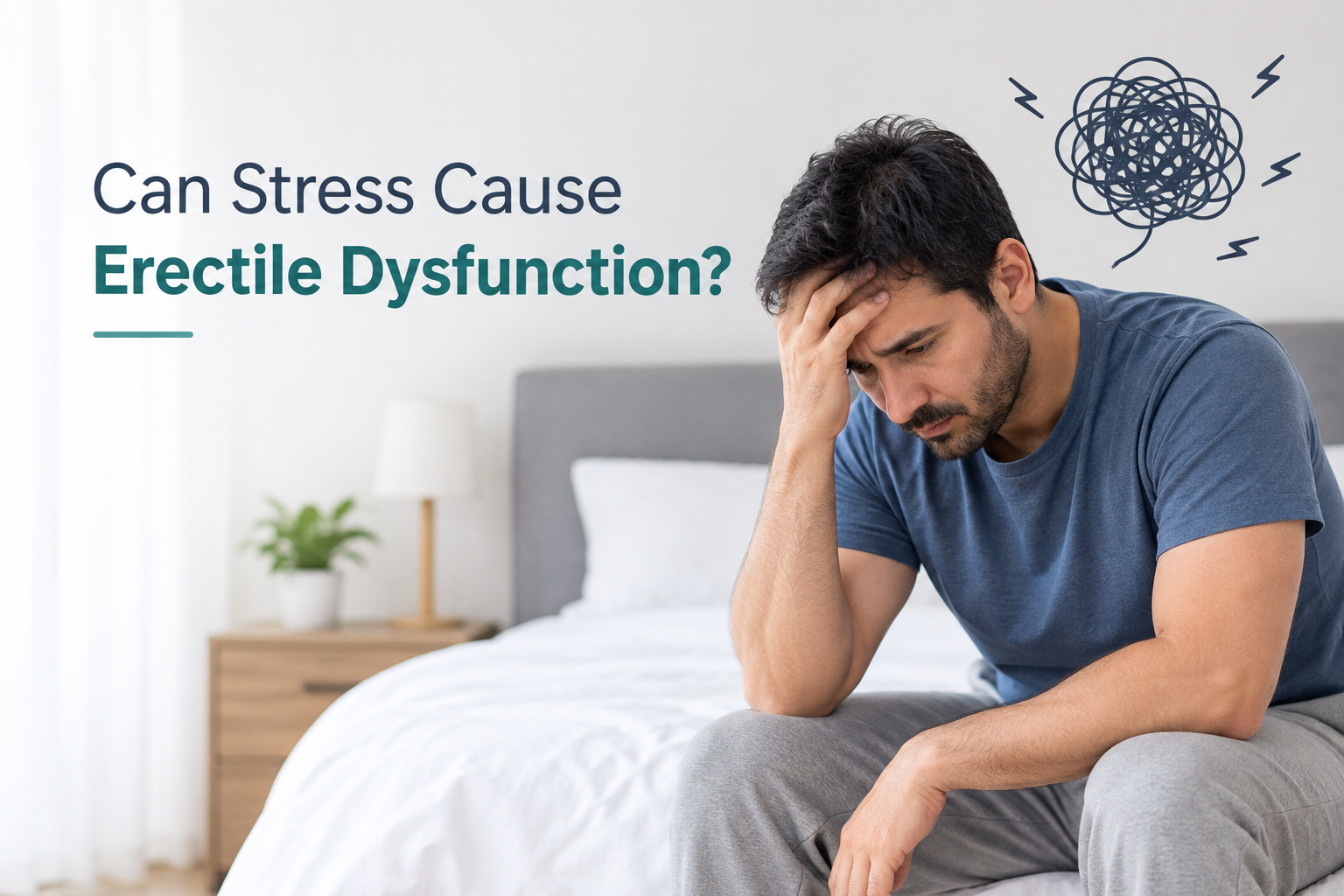
Stress from work, finances, or personal life can affect sexual performance. High stress levels often reduce control during intimacy.
3. Relationships Concerns
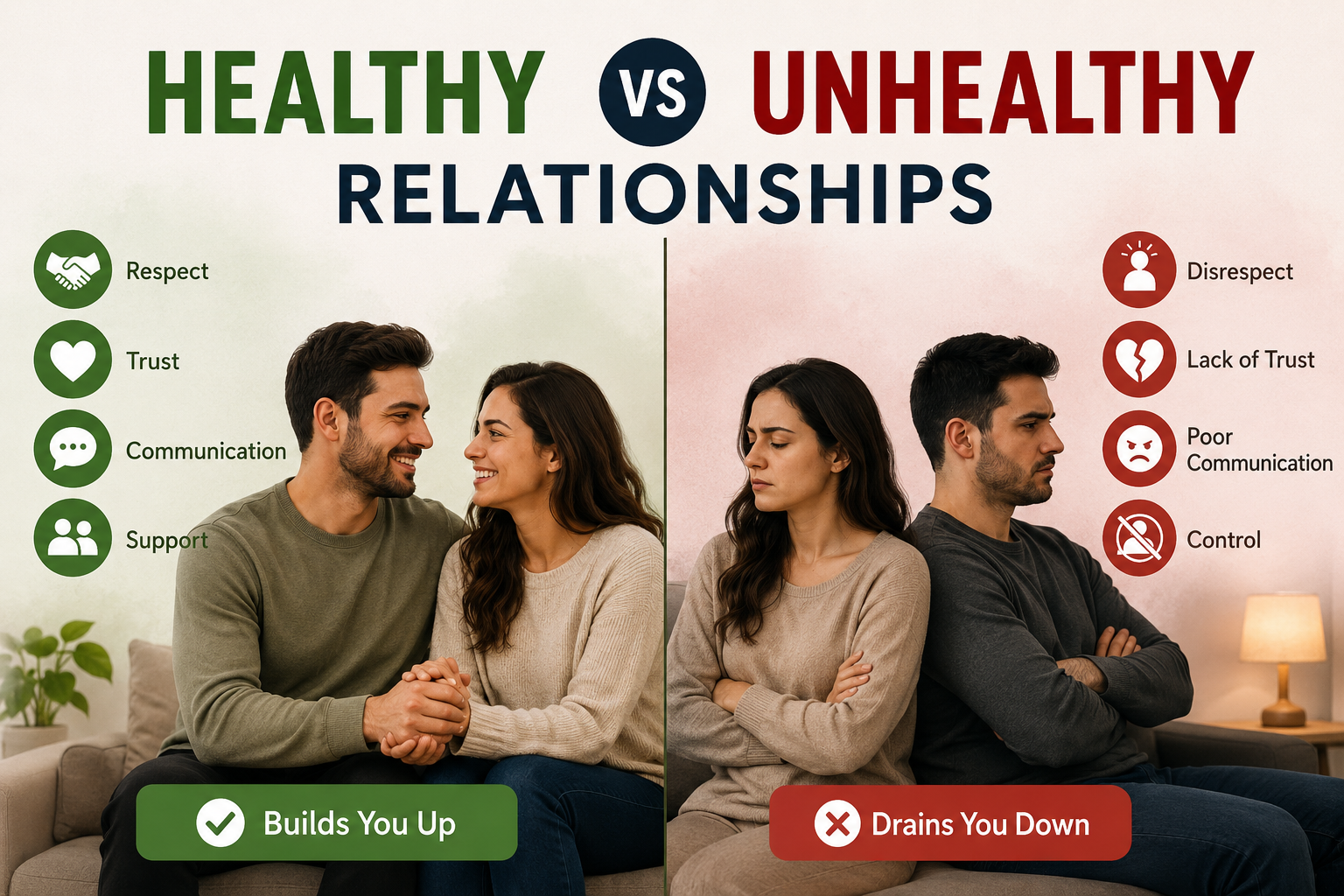
Poor communication or unresolved relationship issues can increase emotional tension. This may contribute to premature ejaculation. When these concerns continue to affect the relationship, working through relationship difficulties together can sometimes be helpful.
4. Lack of Sexual Confidence
Low confidence or fear of disappointing a partner can increase nervousness. This often makes sexual performance more challenging.
5. Certain Medical Conditions
Some hormonal, neurological, or prostate-related conditions may contribute to premature ejaculation. A medical evaluation can help identify these causes.
6. Individual Differences
Every person’s body responds differently during sexual activity. Natural differences in sensitivity and arousal can affect ejaculation timing.
Conclusion
Many of the beliefs surrounding premature ejaculation are based on myths rather than facts. Understanding the real causes,from stress and performance anxiety to relationships concerns and individual differences,can help reduce unnecessary fear and encourage healthier conversations about sexual well-being.
The good news is that premature ejaculation is often manageable with the right support and treatment. If it’s affecting your confidence, relationships, or quality of life, don’t hesitate to speak with a qualified healthcare professional. Taking the first step toward understanding and addressing the problem can lead to greater confidence, stronger relationships, and a more satisfying intimate life.
FAQs
1. What is the biggest myth about premature ejaculation?
The biggest myth is that it makes a man less masculine. In reality, it’s a common and treatable sexual health concern.
2. Is premature ejaculation normal?
Yes, occasional premature ejaculation is common. If it happens regularly and causes distress, professional guidance can help.
3. Can stress cause premature ejaculation?
Yes, stress and performance anxiety can affect sexual control. Managing stress often improves sexual performance.
4. Is premature ejaculation permanent?
No, it isn’t permanent for most men. Many people improve with the right treatment, lifestyle changes, or counseling.
5. Can counseling help with premature ejaculation?
Yes, counseling can address anxiety, confidence issues, and relationship concerns. It is often an effective part of treatment.
6. Does masturbation cause premature ejaculation?
No, masturbation itself doesn’t cause premature ejaculation. The condition usually results from multiple physical and emotional factors.
7. Should I see a counselor for premature ejaculation?
If it’s affecting your confidence or relationships, seeking professional help is a good idea. Early support can make treatment more effective.
8. Can premature ejaculation affect relationships?
Yes, it may create frustration and emotional distance. Honest communication and proper treatment can help couples overcome these challenges.