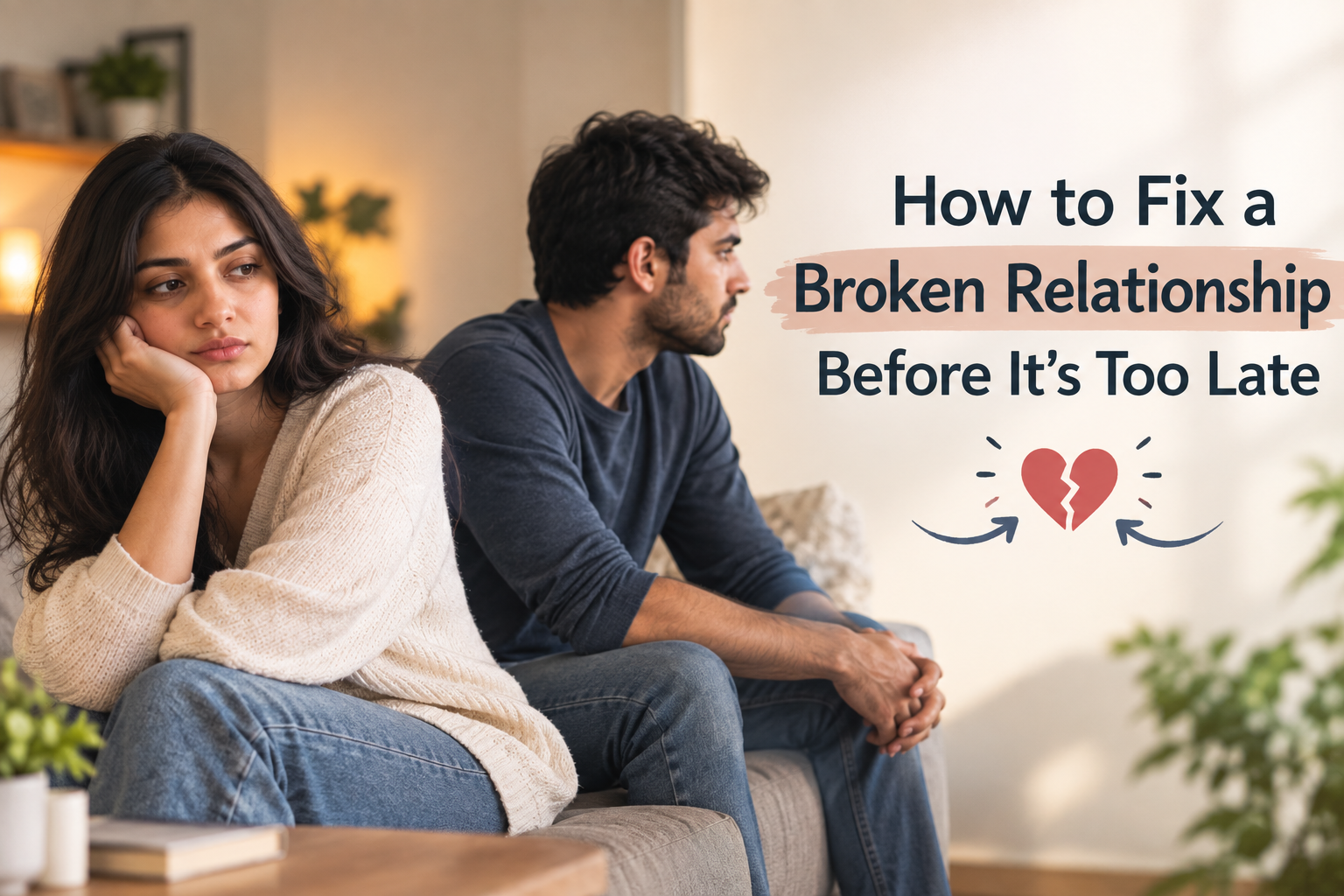

Every marriage changes over time. In the beginning, conversations feel effortless, affection comes naturally, and you look forward to spending time together. But as work, family responsibilities, parenting, financial pressures, and everyday routines take over, it’s easy for couples to drift apart without even realizing it.
Thank you for reading this post, don't forget to subscribe!Emotional distance doesn’t usually happen because love disappears overnight. More often, it’s the result of missed conversations, unresolved misunderstandings, and the gradual habit of putting everything else before the relationship. You may still live together, share responsibilities, and care deeply about each other, yet feel like something important is missing.
What Does Emotional Disconnection Feel Like?
Emotional disconnection doesn’t always look like constant arguments or obvious conflict. Sometimes, it shows up as silence. Conversations become shorter, affection feels less natural, and you begin talking more about responsibilities than about each other.
You may notice that you’re living under the same roof but feel emotionally distant. Instead of sharing your thoughts, worries, or exciting moments, you keep them to yourself because it no longer feels easy to open up. When couples gradually lose these everyday conversations, it can become difficult to feel connected through communication again.
Over time, this lack of communication can create loneliness, even when you’re spending every day together.
Recognizing these signs early is important because emotional distance is often easier to repair before it becomes a long-term pattern.
Why Couples Drift Apart Emotionally
Emotional distance rarely develops because of one major event. More often, it’s the result of small habits that slowly replace meaningful connection.
Busy schedules are one of the biggest reasons. Between work, household responsibilities, parenting, and daily stress, couples often spend more time managing life than enjoying each other’s company. Conversations become practical instead of personal.
Poor communication also plays a major role. When feelings go unspoken or disagreements remain unresolved, emotional walls begin to form. Instead of talking honestly, couples may avoid difficult conversations or assume the other person already knows how they feel.
The encouraging news is that recognizing these patterns is the first step toward changing them. With patience and consistent effort, couples can rebuild trust, improve communication, and reconnect emotionally.
How to Reconnect With Your Spouse Emotionally
1. Start Having Real Conversations Again
Many couples only talk about work, bills, or household responsibilities. Try bringing back conversations that help you understand each other better. Ask about your partner’s thoughts, feelings, dreams, or how their day really went. Meaningful conversations help rebuild emotional closeness over time.
2. Spend 20–30 Minutes Together Every Day
You don’t need hours to reconnect. Even 20–30 minutes of uninterrupted time each day can make a difference. Go for a walk, have coffee together, or simply sit and talk without phones or other distractions. Consistency matters more than the activity itself.
3. Listen Without Trying to Fix Everything
Sometimes your spouse doesn’t need advice,they simply need someone to listen. Give them your full attention, let them finish speaking, and acknowledge how they feel. Feeling heard often creates a stronger emotional connection than immediately trying to solve the problem.
4. Appreciate the Small Things
It’s easy to overlook everyday efforts when life gets busy. Saying “thank you,” noticing small acts of kindness, or acknowledging your partner’s support helps them feel valued. Regular appreciation strengthens the emotional bond between spouses and creates a more positive atmosphere in the relationship.
5. Bring Back Small Acts of Affection
Emotional connection often grows through simple gestures. Holding hands, giving a hug, smiling, or leaving a thoughtful message can remind your spouse that they’re loved and appreciated. These small acts of affection help rebuild warmth and closeness over time.
6. Make Time for Just the Two of You
Between work, children, and daily responsibilities, couples often forget to spend quality time alone. Plan regular moments together, whether it’s a dinner date, an evening walk, or a quiet weekend activity. Shared experiences help strengthen your bond beyond everyday routines.
7. Talk About What’s Been Missing
If you’ve been feeling emotionally distant, don’t ignore it. Have an honest conversation about what’s changed and what both of you need from the relationship. Approach the discussion with curiosity and empathy rather than blame so you can work toward a solution together.
9. Be Patient
Rebuilding emotional intimacy takes time. Don’t expect everything to change after one conversation or one good day. Stay consistent with your efforts, celebrate small improvements, and allow your relationships to heal at its own pace.
Mistakes to Avoid
1. Expecting Things to Change Overnight
Emotional connection isn’t rebuilt in a day. Lasting change comes from small, consistent efforts rather than quick fixes. Be patient with yourself, your partner, and the healing process.
2. Bringing Up Old Fights During Every Conversation
Constantly revisiting past arguments makes it harder to move forward. Focus on resolving the issue you’re discussing instead of reopening old conflicts that have already been addressed.
3. Waiting for Your Partner to Make the First Move
If both partners wait for the other to start the conversation, nothing changes. Taking the first step doesn’t mean you’re accepting all the blame,it shows that you value the Relationships enough to work on it.
4. Avoiding Difficult Conversations
Ignoring problems may seem easier in the moment, but unresolved issues often create more emotional distance. Honest, respectful conversations are essential for rebuilding trust and understanding.
5. Assuming Your Partner Knows How You Feel
Your spouse can’t always guess what’s on your mind. Express your feelings clearly instead of expecting them to understand without being told. Open communication prevents misunderstandings and strengthens emotional closeness.
Conclusion
Feeling emotionally distant from your spouse doesn’t necessarily mean your relationship is falling apart. In many cases, it’s a sign that life’s responsibilities, stress, or unresolved issues have slowly taken priority over your connection.
Remember, strong marriages aren’t built through perfect moments. They’re built through small, consistent choices to communicate, show kindness, and grow together. And if reconnecting feels difficult on your own, seeking support through marriage counseling can provide valuable guidance and help you strengthen your relationship for the future.
FAQs
1. How do I reconnect emotionally with my spouse?
Start by spending quality time together, having honest conversations, listening without judgment, and showing appreciation through small everyday actions.
2. What causes emotional distance in marriage?
Emotional distance often develops because of busy schedules, poor communication, unresolved conflicts, ongoing stress, or a lack of quality time.
3. Can emotional intimacy be rebuilt?
Yes, emotional intimacy can often be rebuilt when both partners are willing to communicate openly, spend meaningful time together, rebuild trust, and consistently support one another. Patience and understanding are key throughout the process.
4. How long does it take to reconnect with your partner?
There’s no set timeline because every relationship is different. Some couples notice positive changes within a few weeks, while others may need several months.
5. What if my spouse doesn’t seem interested?
Start by expressing your feelings calmly instead of making assumptions. Invite your partner into an open conversation without pressure or blame.
6. When should we consider marriage counseling?
If communication has broken down, emotional distance continues to grow, or the same conflicts keep repeating despite your efforts, marriage counseling can provide guidance.