Most men don’t notice erectile dysfunction suddenly.
It usually begins quietly.
A moment of hesitation. One uncomfortable experience. A situation that feels “off” but gets ignored because life is stressful and people assume it will pass on its own. And honestly, sometimes it does. Stress, exhaustion, lack of sleep — all these things can temporarily affect intimacy.
But sometimes the body is trying to signal something deeper.
That’s the difficult part about noticing early warning signs of erectile dysfunction. Many men ignore them for months because embarrassment enters before understanding does. They avoid talking about it. Avoid thinking about it properly. Some even convince themselves the problem is only happening “occasionally,” even when the anxiety around intimacy keeps quietly growing.

And somewhere in between all this silence, confidence starts changing too.
Not loudly.
Just slowly.
A man may start overthinking intimacy before it even begins. He may feel emotionally distant, frustrated, or worried without explaining it openly to anyone. Relationships start absorbing that stress too.
The truth is, erectile dysfunction is more common than people think. And the earlier someone understands the warning signs, the easier it often becomes to manage both emotionally and physically.
Because sometimes the body whispers before it starts shouting.
What Is Erectile Dysfunction?
Erectile dysfunction, often called ED, is the ongoing difficulty in getting or maintaining an erection firm enough for satisfying intimacy.
Occasional problems can happen because of stress, fatigue, or emotional pressure. But when erection difficulties become frequent or emotionally stressful, they should not be ignored.
Some common early warning signs of erectile dysfunction include:
- Difficulty maintaining erection
- Reduced sexual confidence
- Less interest in intimacy
- Weak or inconsistent erections
- Anxiety before intimacy
- Reduced sexual performance
Many men assume ED only affects older age groups, but stress, mental health issues, lifestyle factors, and hormonal changes are causing younger men to experience symptoms too.
When Confidence Starts Changing Quietly
One of the earliest warning signs of ED is not always physical.
Sometimes it begins emotionally first.
A man may start feeling nervous before intimacy. He may overthink physical performance constantly or avoid closeness altogether because of fear and embarrassment.
That emotional pressure matters more than people realize.
The fear of “what if it happens again” can slowly become stronger than the original problem itself.
And honestly, that fear alone can affect physical response too.
Many cases connected with psychological causes of ED begin exactly this way — through stress, anxiety, pressure, overthinking, or emotional exhaustion that quietly affects confidence over time.
Difficulty Maintaining Erection Repeatedly
This is one of the most noticeable early signs.
Occasional erection difficulty is normal sometimes. But repeated difficulty maintaining erection should not be ignored, especially if it keeps creating emotional stress or relationship tension.
The body and mind work together during intimacy.
When blood flow, stress levels, hormonal balance, or emotional health become affected, erections may become inconsistent. Some men notice they can get erections initially but struggle to maintain them comfortably.
Others notice reduced firmness compared to before.
And many silently panic instead of seeking proper understanding.
That anxiety often makes things emotionally harder.
Reduced Sexual Desire Can Also Be a Sign
Many people think ED only means erection problems.
But sometimes reduced desire appears earlier.
A man may stop feeling mentally interested in intimacy the way he once did. He may feel emotionally disconnected, constantly tired, or mentally exhausted. Sometimes this happens because stress slowly reduces emotional energy.
Sometimes physical health plays a role too.
Low testosterone levels, fatigue, emotional burnout, or hormonal imbalance in men may affect both desire and erection quality together.
And honestly, many men ignore these changes because they assume it’s “just stress” for too long.
Stress and Anxiety Quietly Affect Intimacy
Modern life keeps many men emotionally overloaded almost constantly.
Work pressure. Financial stress. Lack of sleep. Family responsibilities. Mental exhaustion.
The body absorbs all of it.
This is why stress and erectile dysfunction are strongly connected. Chronic stress affects hormones, blood circulation, sleep quality, confidence, and emotional relaxation during intimacy.
A person may still love their partner deeply and yet struggle physically because the mind never truly feels calm.
And intimacy becomes difficult when the nervous system stays tense all the time.
Sometimes people focus only on physical symptoms while ignoring how emotionally exhausted they actually feel underneath everything.
Reduced Sexual Performance Creates Emotional Pressure

Another early sign many men notice is reduced consistency during intimacy.
They may feel less confident, less emotionally present, or worried about satisfying their partner. This creates pressure around intimacy itself.
And pressure changes the experience completely.
Many men experiencing reduced sexual performance start avoiding intimacy emotionally because they fear embarrassment or disappointment.
The difficult thing is that silence usually increases anxiety further.
Instead of discussing concerns openly, many men:
- avoid intimacy
- emotionally withdraw
- search random solutions online
- blame themselves silently
- overthink constantly
That emotional isolation often damages confidence more deeply over time.
Physical Health Problems Sometimes Show Up Through ED
Erectile dysfunction can sometimes act as an early warning sign for broader health problems too.
Conditions linked with erectile dysfunction causes may include:
- diabetes
- high blood pressure
- obesity
- poor blood circulation
- heart disease
- hormonal imbalance
- sleep disorders
Because erections depend heavily on healthy blood flow and nervous system function, ED symptoms may appear before other health conditions become obvious.
That’s why repeated erection difficulties should never be ignored completely.
The body often signals imbalance gradually.
Emotional Distance Inside Relationships
ED does not only affect physical intimacy.
It affects emotional connection too.
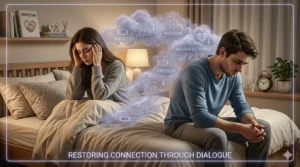
Many men silently start feeling embarrassed or emotionally inadequate. Their partner may misunderstand the situation and assume attraction has reduced. Conversations become awkward. Emotional closeness changes.
And slowly, both people start carrying emotional stress separately.
This is why early support and honest communication matter so much.
Most couples are not struggling because love disappeared. They are struggling because fear, confusion, and silence entered the relationship quietly.
Why Men Delay Seeking Help

This happens very often.
Men usually wait months or even years before discussing erection problems properly.
Some feel ashamed. Some fear judgment. Others assume the issue will automatically improve with time.
But emotional stress keeps building meanwhile.
And honestly, the delay sometimes creates more anxiety than the original symptom itself.
Many men feel relieved simply after understanding that ED is common and treatable in many cases.
There is a huge difference between temporary stress-related symptoms and long-term untreated emotional fear.
When Should You Take ED Symptoms Seriously?
It may be time to seek professional guidance if:
- erection difficulties happen repeatedly
- anxiety around intimacy keeps increasing
- confidence starts reducing
- desire changes significantly
- intimacy affects relationship satisfaction
- symptoms continue for several months
Early support helps identify whether the issue is connected with physical health, stress, hormones, emotional pressure, or multiple factors together.
And honestly, understanding the reason itself often reduces fear.
Read More: Best performance anxiety counselor Gurgaon
Small Lifestyle Changes Sometimes Help Early
In mild cases, improving overall health may positively affect intimacy too.
Some helpful changes include:
Better Sleep
Poor sleep affects hormones, stress levels, and emotional wellbeing.
Stress Management
Mental exhaustion strongly affects intimacy and confidence.
Physical Activity
Exercise supports blood circulation and hormonal health.
Honest Communication
Open emotional communication reduces pressure around intimacy.
Avoid Self-Diagnosing Online
Random internet advice often increases panic instead of clarity.
Conclusion
The early signs of erectile dysfunction are often quieter than people expect.
Sometimes it begins through stress. Sometimes through emotional pressure. Sometimes through physical health changes the body is trying to signal slowly.
And many men ignore these changes because embarrassment makes the conversation feel difficult.
But noticing early warning signs of erectile dysfunction early can genuinely help prevent deeper emotional stress, relationship tension, and confidence issues later.
ED is not simply about physical performance. Emotional health, mental stress, hormones, lifestyle, and overall wellbeing all affect intimacy together.
The important thing is not suffering silently for too long.
With proper understanding, emotional support, healthy lifestyle changes, and medical guidance when needed, many men improve significantly. Sometimes the first step is simply accepting that the problem deserves attention instead of shame.
Because the body usually gives warning signs quietly before emotional frustration becomes much heavier.
FAQs
Q1. What are the early warning signs of erectile dysfunction?
Some early signs include difficulty maintaining erection, reduced sexual confidence, anxiety before intimacy, weak erections, and reduced interest in intimacy.
Q2. Can stress cause erectile dysfunction?
Yes. Stress and erectile dysfunction are strongly connected because chronic stress affects hormones, confidence, blood flow, and emotional relaxation.
Q3. Is erectile dysfunction only a physical problem?
No. Emotional stress, anxiety, relationship tension, and other psychological causes of ED can also affect intimacy significantly.
Q4. Can hormonal imbalance affect erections?
Yes. Hormonal imbalance in men, especially low testosterone, may reduce desire, energy levels, and erection quality.
Q5. When should I seek help for ED symptoms?
If erection difficulties happen repeatedly or start affecting emotional wellbeing, confidence, or relationships, professional guidance should be considered.