
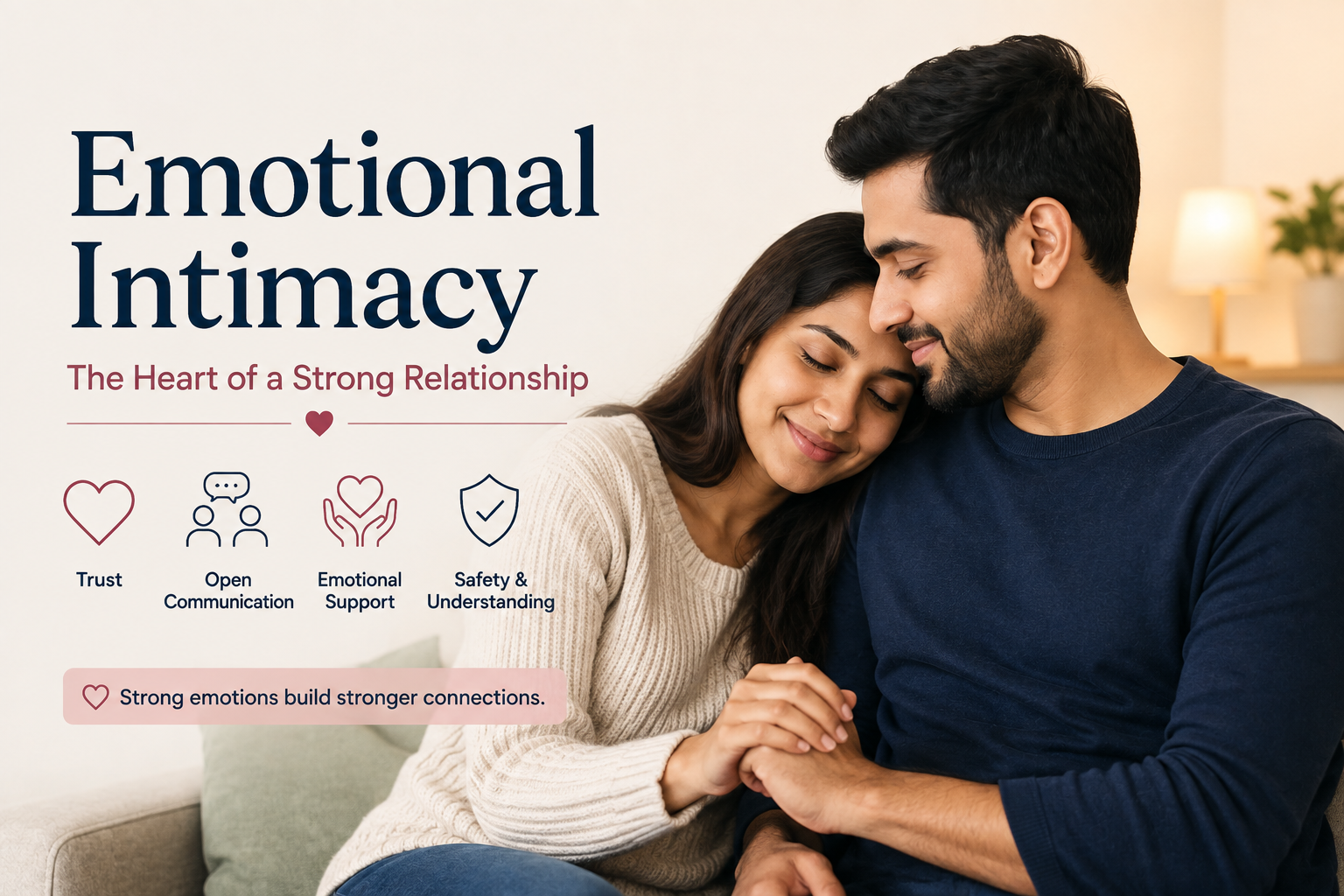
When people think about intimacy, they often think about physical closeness. While physical affection is an important part of many relationships, emotional intimacy is what truly creates a lasting connection. It’s the feeling of being understood, accepted, and emotionally safe with your partner.
Thank you for reading this post, don't forget to subscribe!Emotional intimacy doesn’t develop overnight. It grows through honest conversations, shared experiences, trust, and the willingness to support each other through life’s highs and lows. It’s what helps couples stay connected even when life becomes stressful or challenging.
What Is Emotional Intimacy?
Emotional intimacy is the ability to share your thoughts, feelings, fears, and dreams with your partner while feeling accepted and understood. It creates a sense of emotional safety where both people know they can be honest without worrying about criticism or rejection.
It’s built through everyday moments rather than grand gestures. Listening attentively, supporting each other during difficult times, expressing appreciation, and having meaningful conversations all help strengthen emotional intimacy.
Unlike physical intimacy, emotional intimacy focuses on the connection between two people. It allows couples to build trust, deepen their understanding of each other, and create a relationship where both partners feel valued and emotionally secure.
Why Emotional Intimacy Matters in a Relationships
Emotional intimacy is one of the strongest foundations of a healthy relationship. It helps couples build trust, communicate openly, and face life’s challenges together.
When both partners feel emotionally connected, they’re more likely to understand each other’s needs and work through disagreements with patience and empathy. When this emotional connection is consistently missing, it can sometimes be a sign of relationship problems that need attention.
A strong emotional bond also creates a sense of comfort and security. You know your partner is someone you can rely on during difficult times, celebrate with during happy moments, and turn to without fear of being judged.
Signs of Strong Emotional Intimacy
1. You Can Talk Openly Without Fear
You feel comfortable sharing your thoughts and emotions without worrying about being judged or criticized. Honest conversations become easier because both partners value openness and respect.
2. You Feel Understood
Even when you don’t always agree, you know your partner genuinely tries to understand your perspective. Feeling heard creates emotional security and strengthens your connection.
3. You Trust Each Other
Trust develops naturally when both partners are honest, reliable, and consistent. When past disappointments or betrayal have affected that sense of security, restoring confidence between partners may require patience and consistent effort.
You don’t constantly question each other’s intentions because your relationship is built on openness and mutual respect.
4. You Enjoy Spending Time Together
Whether you’re having a meaningful conversation or simply relaxing together, you genuinely enjoy each other’s company. Emotional intimacy makes everyday moments feel more fulfilling.
5. You Support Each Other During Difficult Times
Strong relationships aren’t only built during happy moments. Being there for each other during stress, disappointment, or personal challenges creates a deeper emotional bond.
6. You Can Be Yourself Without Pretending
You don’t feel pressured to hide your personality or emotions. Being accepted for who you truly are creates a relationship where both partners feel emotionally safe and valued.
Signs Emotional Intimacy Is Missing
1. Conversations Feel Forced
Most conversations revolve around responsibilities instead of meaningful topics. Talking begins to feel like an obligation rather than something you both enjoy. Over time, this can leave couples feeling disconnected and unsure how to start meaningful conversations again.
2. You Avoid Sharing Your Feelings
If you keep your emotions to yourself because you’re afraid of being misunderstood or ignored, emotional distance can slowly grow between you.
3. You Feel Lonely Even When You’re Together
Spending time together doesn’t always mean feeling connected. Emotional loneliness often develops when meaningful communication becomes rare.
4. Small Misunderstandings Turn Into Arguments
Without emotional connection, simple disagreements can quickly escalate because both partners may feel unheard or misunderstood.
5. Physical Intimacy Has Reduced
Emotional and physical intimacy often influence each other. Feeling emotionally disconnected can naturally affect affection and closeness in relationships.
Simple Ways to Build Emotional Intimacy
1. Spend Quality Time Together
Emotional intimacy grows when couples intentionally make time for each other. It doesn’t have to be a grand date or a weekend getaway. A walk together, sharing a meal, or simply talking without distractions can strengthen your connection and remind you why you enjoy being together.
2. Listen Without Judging
One of the greatest ways to build emotional intimacy is by making your partner feel heard. Listen with patience, avoid interrupting, and try to understand their perspective instead of immediately offering advice or defending yourself. Feeling understood creates emotional safety.
3. Express Appreciation More Often
Small expressions of gratitude can have a big impact on a relationship. Saying “thank you,” acknowledging your partner’s efforts, or complimenting them sincerely helps them feel valued. Feeling appreciated strengthens emotional closeness and encourages more positive communication.
4. Be Honest About Your Feelings
Don’t wait until frustration builds up before speaking about your emotions. Share your thoughts honestly and respectfully, even when the conversation feels uncomfortable. Open communication prevents misunderstandings and helps both partners understand each other’s emotional needs.
5. Show Small Acts of Care
Emotional intimacy is often built through everyday actions rather than big romantic gestures. Checking in during the day, making your partner a cup of coffee, offering a hug, or helping with daily tasks shows love and strengthens your emotional connection.
Conclusion
Emotional intimacy is what transforms a relationship from simply sharing a life together to truly understanding and supporting one another. It’s built through trust, honest communication, empathy, and the small everyday moments that make both partners feel seen and valued.
Like any meaningful part of a relationship, emotional intimacy requires ongoing care.
If emotional distance continues despite these efforts, guidance for couples facing emotional disconnection can help identify underlying problems and create healthier ways to reconnect.
FAQs
1. What is emotional intimacy in a relationship?
Emotional intimacy is the deep sense of closeness that comes from sharing your thoughts, feelings, and experiences with your partner. It allows both people to feel understood, accepted, and emotionally safe without fear of judgment.
2. Why is emotional intimacy important in marriage?
Emotional intimacy strengthens trust, improves communication, and helps couples feel connected during both happy and challenging times. It creates a strong foundation that supports long-term Relationships satisfaction and emotional security.
3. Can a relationship survive without emotional intimacy?
A relationship may continue without emotional intimacy, but it often feels distant and less fulfilling. Over time, a lack of emotional connection can lead to loneliness, poor communication, and unresolved conflicts if it’s not addressed.
4. What causes emotional distance between couples?
Emotional distance can develop because of busy schedules, unresolved conflicts, poor communication, lack of quality time, ongoing stress, or unexpressed feelings. Recognizing these patterns early makes it easier to rebuild the connection.
5. How can I rebuild emotional intimacy with my partner?
Start by spending more quality time together, having honest conversations, listening with empathy, expressing appreciation, and supporting each other through everyday challenges. Small, consistent efforts often lead to meaningful improvements over time.
6. Does emotional intimacy improve physical intimacy?
Yes. Emotional and physical intimacy often go hand in hand. When partners feel emotionally connected, safe, and understood, physical affection and intimacy usually become more natural and meaningful.
7. How long does it take to rebuild emotional intimacy?
There is no fixed timeline because every relationship is different. Rebuilding emotional intimacy depends on both partners’ willingness to communicate openly, rebuild trust, and consistently invest time and effort into the relationship.