Disagreements are a normal part of every relationship, but the way couples respond to conflict can either bring them closer or create emotional distance. While some people express their feelings openly, others choose to withdraw completely and stop communicating. This response is commonly known as the silent treatment, and it can leave the other person feeling confused, hurt, and unsure of what to do next.
Thank you for reading this post, don't forget to subscribe!Sometimes, a person stays quiet because they need time to calm down and process their emotions. In other situations, silence may be used to avoid difficult conversations or to express anger without saying a word. Whatever the reason, when silence continues for a long time without explanation, it can slowly damage trust and emotional connection.
What Is Silent Treatment?
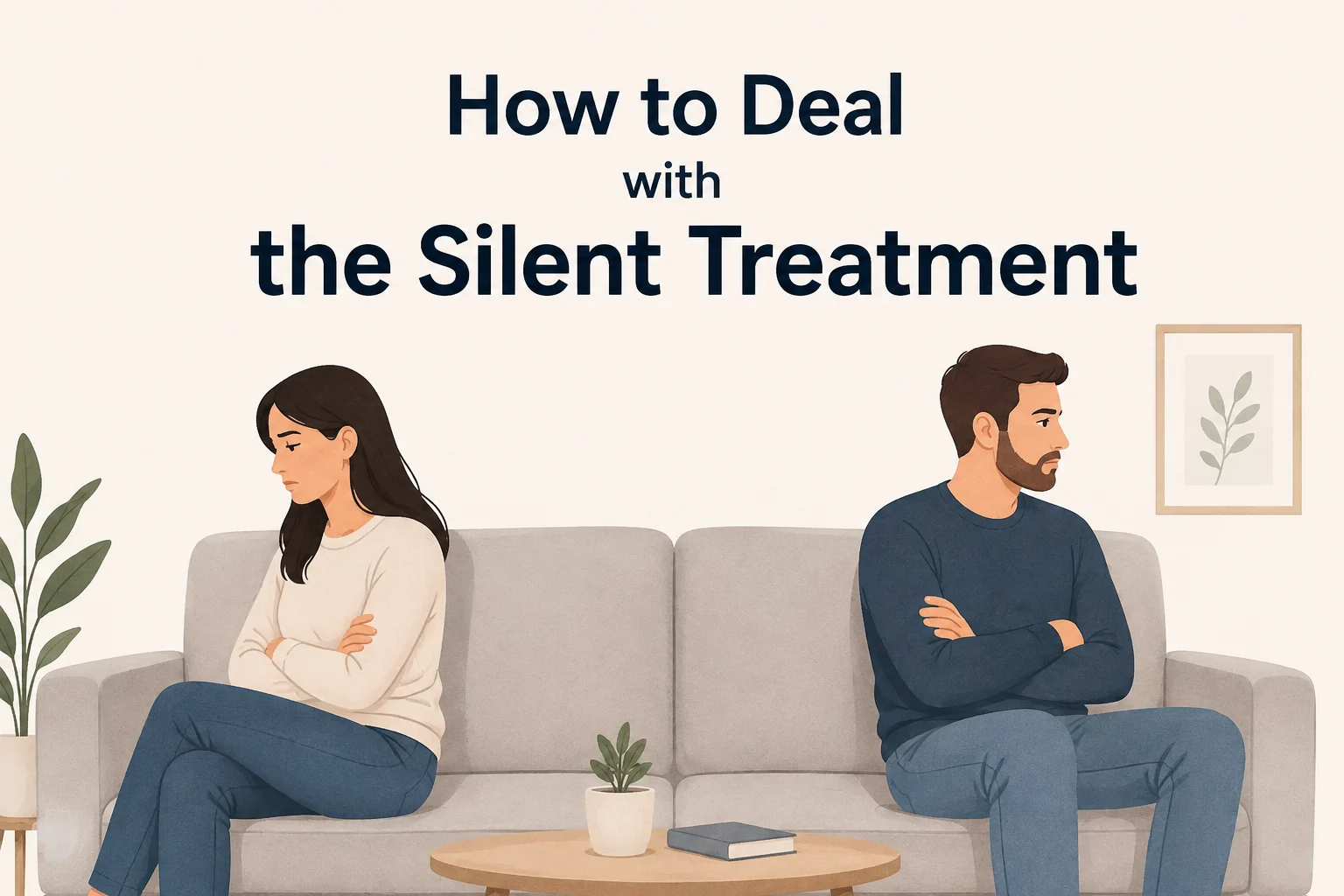
The silent treatment is a form of communication where one person intentionally stops talking or responding to another during or after a disagreement.
Instead of discussing the issue, they may ignore messages, avoid eye contact, refuse to answer questions, or completely withdraw from conversations.
It’s important to understand that the silent treatment is different from taking a healthy break after an argument. Taking time to cool down usually comes with an explanation, such as, “I need some time to calm down, but let’s talk later.”
The silent treatment, however, often leaves the other person guessing what went wrong or when communication will resume.
Occasional silence to process emotions can be healthy. But when it becomes a repeated pattern used to punish, control, or avoid resolving problems, it can seriously affect relationships.
Why People Give the Silent Treatment
People use the silent treatment for different reasons, and not all of them have the same intention. Understanding the reason behind the silence can help you respond more effectively.
Some people become quiet because they feel overwhelmed during conflict. They may need time to process their emotions before they’re ready to talk calmly. Others avoid conversations because they don’t know how to express difficult feelings or fear that talking will only make the situation worse.
In some relationships, the silent treatment may be used as a way to express anger, avoid responsibility, or make the other person feel guilty. When silence is used to control or manipulate someone’s emotions, it becomes an unhealthy relationship pattern that should be addressed before it damages trust and emotional connection.
The key is to look at the overall pattern rather than a single incident. Everyone needs space occasionally, but healthy relationships eventually return to open and respectful communication.
How the Silent Treatment Affects a Relationships
1. The Distance Between You Starts to Grow
When communication continues to decline, many couples gradually stop having meaningful conversations altogether. Understanding why couples stop talking and how to reconnect can help you rebuild emotional closeness before the distance grows further.
2. You Start Making Assumptions Instead of Talking
Without honest conversations, it’s natural to start guessing what your partner is thinking or feeling. These assumptions are often inaccurate and can create unnecessary misunderstandings that make the situation even more difficult.
3. Feeling Ignored Can Be More Painful Than the Argument
Many people find being ignored more upsetting than the disagreement itself. Feeling invisible or emotionally shut out can lead to sadness, frustration, self-doubt, and a growing sense of loneliness within the relationship.
4. Small Problems Keep Getting Bigger
Silence rarely solves Relationships problems. When issues aren’t discussed, they tend to build over time, creating resentment and making future conversations more difficult. Addressing concerns early usually prevents them from becoming much larger conflicts.
How to Deal with the Silent Treatment
1. Be Patient
If your partner has gone quiet, avoid demanding an immediate conversation. They may genuinely need time to process their emotions. Give them some space while making it clear that you’re willing to talk whenever they’re ready. Patience often creates a better environment for healthy communication.
2. Stay Respectful
Responding to silence with anger, insults, or the silent treatment in return usually makes the situation worse. Stay calm and respectful, even if you’re feeling frustrated. A thoughtful response is more likely to encourage a productive conversation than reacting emotionally.
3. Break the Silence
If enough time has passed, take the first step toward reconnecting. You don’t need a perfect speech,sometimes a simple, calm message like, “I’d like to understand what happened whenever you’re ready to talk,” is enough to reopen communication without creating pressure.
4. Speak Honestly
When the conversation begins, share your feelings openly instead of making accusations. Explain how the silence affected you using “I” statements, such as, “I felt hurt when we stopped talking,” rather than blaming your partner. Honest communication encourages understanding instead of defensiveness.
5. Listen Without Judging
Give your partner the opportunity to explain why they became silent. Listen carefully without interrupting or assuming their intentions. Even if you don’t completely agree, understanding their perspective is an important step toward resolving the conflict.
6. Work as a Team
Instead of focusing on who’s right or wrong, work together to prevent the same situation from happening again.
Learning practical conflict resolution tips for couples and relationships can help both partners handle disagreements more respectfully and avoid repeating the same communication patterns.
7. Set Healthier Boundaries
Healthy relationships respect the need for personal space, but they also value communication. Agree on boundaries that work for both of you, such as letting each other know when you need time alone and deciding when you’ll come back to continue the conversation.
Conclusion
The silent treatment can be one of the most painful communication challenges in a relationship because it often leaves the other person feeling confused, ignored, and emotionally disconnected. While taking a short break to calm down can be healthy, prolonged silence without explanation rarely resolves the underlying problem.
If the silent treatment becomes a regular part of your relationships or leaves you feeling emotionally distressed, don’t ignore it. Seeking support from a qualified relationship counselor can help both partners develop healthier ways to communicate, resolve conflicts, and strengthen their emotional connection over time.
FAQs
1. Is the silent treatment emotional abuse?
It depends on the situation. Taking a short break to calm down after an argument is healthy when it’s communicated clearly. However, if someone repeatedly uses prolonged silence to punish, control, or manipulate their partner, it can become emotionally harmful and may be considered a form of emotional abuse.
2. How long is too long for the silent treatment?
There’s no exact timeframe, but silence that continues for days without any explanation or effort to communicate can damage trust and emotional connection. If someone needs space, it’s healthier to explain that they need time and agree on when to talk again.
3. Why does my partner stop talking during arguments?
People withdraw during conflict for many reasons. They may feel overwhelmed, struggle to express their emotions, fear making the situation worse, or need time to calm down. Understanding the reason behind the silence can help both partners communicate more effectively.
4. Should I keep texting someone who’s giving me the silent treatment?
Repeated messages usually don’t help if someone has asked for space. Send one calm and supportive message letting them know you’re available to talk, then give them time. If the silence continues without explanation or becomes a repeated pattern, it’s important to discuss the issue once communication resumes.
5. When should couples seek professional help?
If the silent treatment happens frequently, communication has completely broken down, or one partner consistently uses silence to avoid problems or control the relationship, couples counseling can help. A therapist can provide practical strategies to improve communication and rebuild trust.