Most relationships do not fall apart because of one big moment.
It’s usually smaller things. Repeated things. Conversations that never happened properly. Feelings that stayed unspoken for too long. Tiny misunderstandings that slowly turned into emotional distance.
And honestly, that’s what makes relationship conflicts confusing sometimes.
Two people can genuinely love each other and still struggle every single day. They may sit in the same room, share the same responsibilities, even care deeply for each other… and yet feel emotionally tired inside the relationship.
Marriage changes quietly like that.
In the beginning, couples often think love alone will solve everything. But real life enters slowly. Stress enters. Work pressure enters. Family expectations enter. Emotional exhaustion enters. Somewhere in between bills, responsibilities, routines, and misunderstandings, closeness starts feeling harder to maintain naturally.
That’s why understanding the causes of relationship conflicts in marriage becomes important. Not to blame each other. But to understand what slowly creates emotional distance between couples who once felt deeply connected.
Because most conflicts are not really about one argument.
They are usually about emotions that remained unheard for too long.
What Are Relationship Conflicts in Marriage?
Relationship conflicts happen when couples struggle to understand, support, or emotionally connect with each other consistently.
Disagreements are normal in every relationship. But when stress, resentment, anger, or emotional distance keep repeating without healthy communication, conflicts become emotionally exhausting.
Common relationship conflicts may involve:
- Communication problems
- Trust issues
- Financial stress
- Emotional disconnection
- Intimacy struggles
- Family pressure
- Work-life imbalance
Over time, unresolved conflicts can affect emotional safety, mental peace, and relationship satisfaction.
This is why understanding the real causes of relationship conflicts in marriage matters so much. Most couples are not fighting because they hate each other. They are struggling because emotional needs are not being understood properly anymore.
Communication Problems Slowly Change Relationships
One of the biggest reasons couples grow emotionally distant is poor communication.
Not always shouting or fighting loudly. Sometimes the problem is silence.
People stop expressing themselves honestly. Small frustrations remain unspoken. One partner feels unheard. The other feels constantly criticized. Conversations become practical instead of emotional.
And slowly, emotional connection weakens.
Many couples dealing with communication issues in marriage are not unable to talk. They are unable to feel emotionally understood during conversations.
That difference matters.
A person may physically listen while emotionally dismissing the other completely. After some time, resentment quietly builds underneath ordinary daily conversations.
And eventually even small discussions turn into arguments.
Trust Problems Change Emotional Safety
Trust is not only about cheating.
People often misunderstand that.
Trust also means emotional reliability. Feeling emotionally safe with someone. Feeling respected, understood, and emotionally secure inside the relationship.
When trust weakens, relationships start feeling unstable emotionally.
Many couples struggling with trust issues in relationships experience:
- constant overthinking
- insecurity
- jealousy
- emotional withdrawal
- fear of being hurt
- difficulty believing each other
Sometimes trust breaks because of betrayal. Sometimes it breaks through repeated dishonesty, emotional neglect, or broken promises over time.
And once emotional safety disappears, even normal conversations start carrying tension.
That emotional heaviness slowly affects the entire relationship.
Emotional Distance Happens Quietly
This is probably one of the saddest parts of marriage conflicts.
Couples usually do not notice emotional disconnect immediately.
It grows slowly through routines, stress, and emotional neglect.
People stop asking deeper questions. They stop sharing feelings openly. They become busy surviving daily responsibilities while emotional intimacy quietly fades in the background.
Many couples experiencing emotional disconnect in couples still care about each other deeply. But they stop feeling emotionally close.
And honestly, emotional loneliness inside a relationship feels very confusing.
Because technically the person is still there.
But emotionally, the connection feels missing.
Over time this disconnect affects patience, communication, affection, and intimacy too.
Financial Stress Creates Hidden Pressure
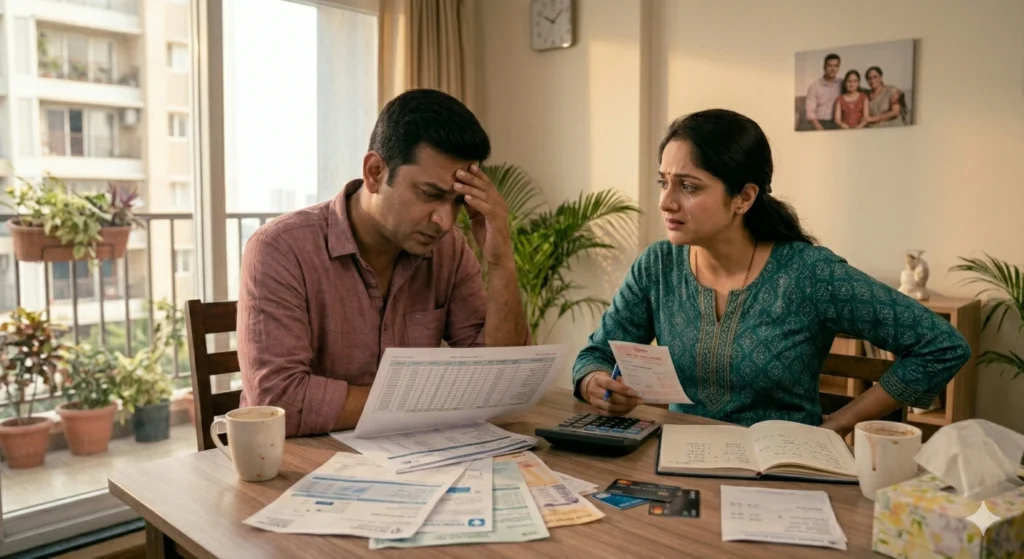
Money problems affect emotions more than people admit openly.
Financial stress changes moods, patience, communication, and emotional security inside relationships.
Couples dealing with financial stress in marriage often experience:
- frequent arguments
- blame and frustration
- pressure about responsibilities
- insecurity about the future
- emotional exhaustion
Sometimes the stress is not even about lack of money alone. Different spending habits, financial expectations, family pressure, or unequal responsibilities also create tension.
And financial stress rarely stays limited to money conversations.
It quietly enters emotional connection too.
People become more irritable. More distant. More mentally exhausted.
After some time, even unrelated conversations start carrying hidden frustration underneath.
Work-Life Balance Problems Affect Emotional Connection
Modern relationships are struggling with time.
People are constantly busy. Work follows them home mentally. Phones remain active even during personal moments. Couples spend time physically together but mentally distracted.
And slowly, emotional intimacy starts reducing.
Many marriages today are affected by work-life balance problems because couples stop investing emotional time into the relationship itself.
Exhaustion changes everything.
A person may love their partner deeply and still have no emotional energy left at the end of the day. That emotional tiredness affects communication, affection, patience, and intimacy naturally.
Sometimes couples don’t need dramatic solutions.
They simply need emotional presence again.
Intimacy Problems Create Emotional Distance Too
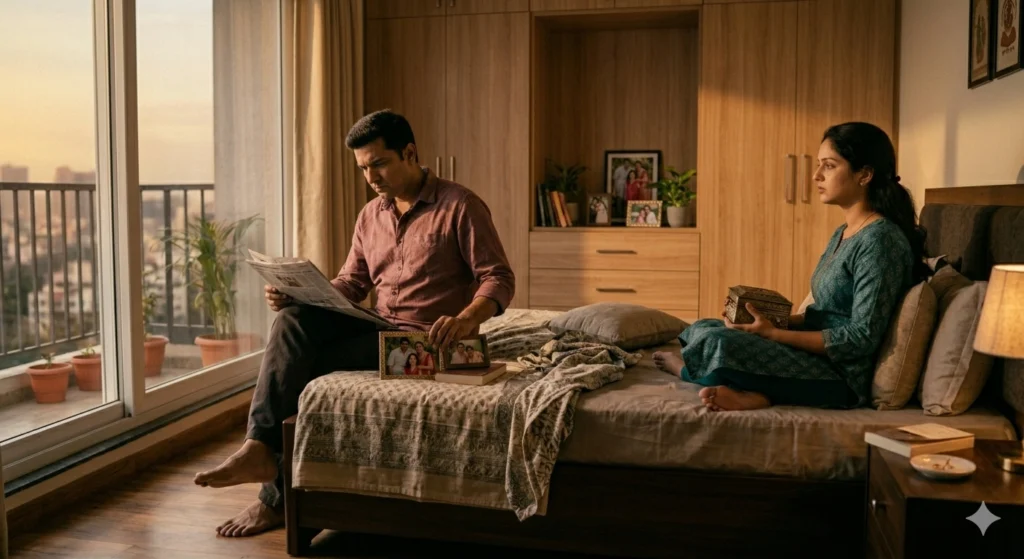
Intimacy is deeply connected with emotional connection.
When couples stop feeling emotionally close, physical intimacy often changes too. And when intimacy struggles continue for a long time, emotional frustration usually increases further.
This creates a painful cycle.
Many couples facing intimacy issues in marriage struggle with:
- reduced affection
- emotional hesitation
- avoidance of intimacy
- low desire
- fear of rejection
- performance anxiety
And honestly, people rarely discuss these struggles openly.
Instead, both partners silently start overthinking.
One person feels unwanted.
The other feels pressured.
Neither fully explains what they are emotionally carrying.
That silence slowly deepens relationship tension.
Unresolved Arguments Keep Repeating
Some couples keep fighting about the same things for years.
Not because the topic itself is huge… but because the emotional wound underneath never healed properly.
An argument about household work may actually be about feeling unsupported. A fight about time may actually be about feeling emotionally ignored.
This is why healthy conflict resolution in couples matters so much.
The real issue is often emotional understanding, not simply “winning” arguments.
Couples who only react emotionally without listening deeply usually keep repeating the same conflicts again and again.
And repeated unresolved fights slowly create emotional exhaustion.
Family Expectations and Social Pressure
Marriage does not exist separately from society, especially in Indian families.
Family expectations, parenting pressure, comparisons, interference from relatives, and social responsibilities often affect relationships quietly in the background.
Sometimes couples feel emotionally stuck between personal happiness and family pressure.
That emotional stress creates frustration inside marriage too.
And many couples never fully discuss how deeply external pressure is affecting them emotionally.
Why Small Problems Become Bigger Over Time
Most marriage conflicts become serious because they stay unresolved for too long.
People avoid difficult conversations. They suppress emotions. They assume things will improve automatically.
But emotional distance grows silently when problems remain ignored.
One unresolved issue becomes five. Then ten.
Eventually couples stop reacting only to present situations. They start reacting from accumulated hurt built over years.
That’s when relationships start feeling emotionally heavy even during ordinary conversations.
How Couples Can Improve Relationship Conflicts
Healing relationship conflicts usually starts with emotional honesty.
Not perfection.
Not dramatic change overnight.
Just honest effort.
Talk Openly and Calmly
Listen to understand, not only to respond.
Many relationship problems reduce when couples start communicating honestly without constant defensiveness.
Address Problems Early
Small emotional issues become bigger when ignored repeatedly.
Spend Intentional Time Together
Emotional connection needs attention too. Relationships weaken when couples only discuss responsibilities all day.
Avoid Blame Language
Criticism usually increases emotional distance instead of solving problems.
Learn Healthy Conflict Resolution
Good conflict resolution in couples means understanding emotions beneath arguments, not simply proving who is right.
Seek Professional Help if Needed
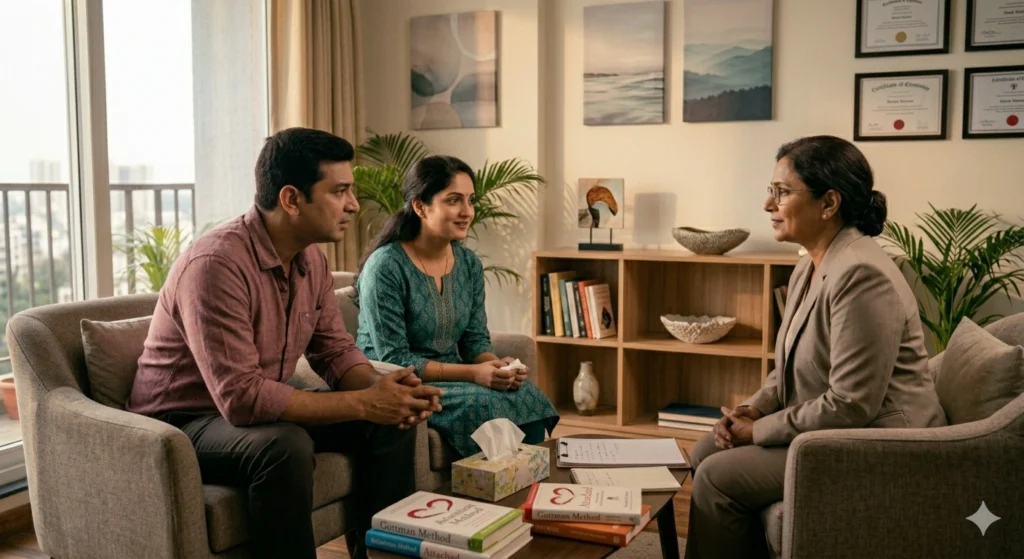
Sometimes couples need outside guidance to understand repeated emotional patterns and communication breakdowns.
Conclusion
Marriage conflicts are more common than people admit openly.
And most of the time, the problem is not lack of love. It is emotional exhaustion, poor communication, stress, unresolved hurt, and distance that slowly grows over time.
Understanding the real causes of relationship conflicts in marriage helps couples stop blaming each other so quickly. Because behind most arguments, there are usually emotions that were never expressed properly.
Relationships change when emotional connection is neglected for too long.
But healing is possible too.
With communication, patience, emotional understanding, and honest effort, couples can slowly rebuild closeness again. Not every relationship becomes perfect. Real relationships are messy sometimes.
But when two people are still willing to understand each other honestly, even difficult relationships can slowly start feeling emotionally safe again.
FAQs
Q1. What are the most common causes of relationship conflicts in marriage?
Common causes include poor communication, trust issues, financial stress, emotional disconnect, intimacy problems, and work-life imbalance.
Q2. Can communication problems damage a marriage?
Yes. Ongoing communication issues in marriage can create misunderstandings, resentment, emotional distance, and repeated arguments over time.
Q3. How does financial stress affect relationships?
Financial stress in marriage often increases emotional pressure, frustration, anxiety, and arguments between couples.
Q4. What causes emotional disconnect in couples?
Lack of quality time, unresolved conflicts, poor communication, stress, and emotional neglect often contribute to emotional disconnect in couples.
Q5. Why is conflict resolution important in marriage?
Healthy conflict resolution in couples helps partners understand each other better, reduce emotional tension, and prevent small problems from becoming long-term relationship damage.